Your search Al-Bahnasa gave 3013 results.

He was a soldier of the Cohors I Belgarum, probably of Dalmatian origin, who dedicated an altar to Mithras in Aufustianis.
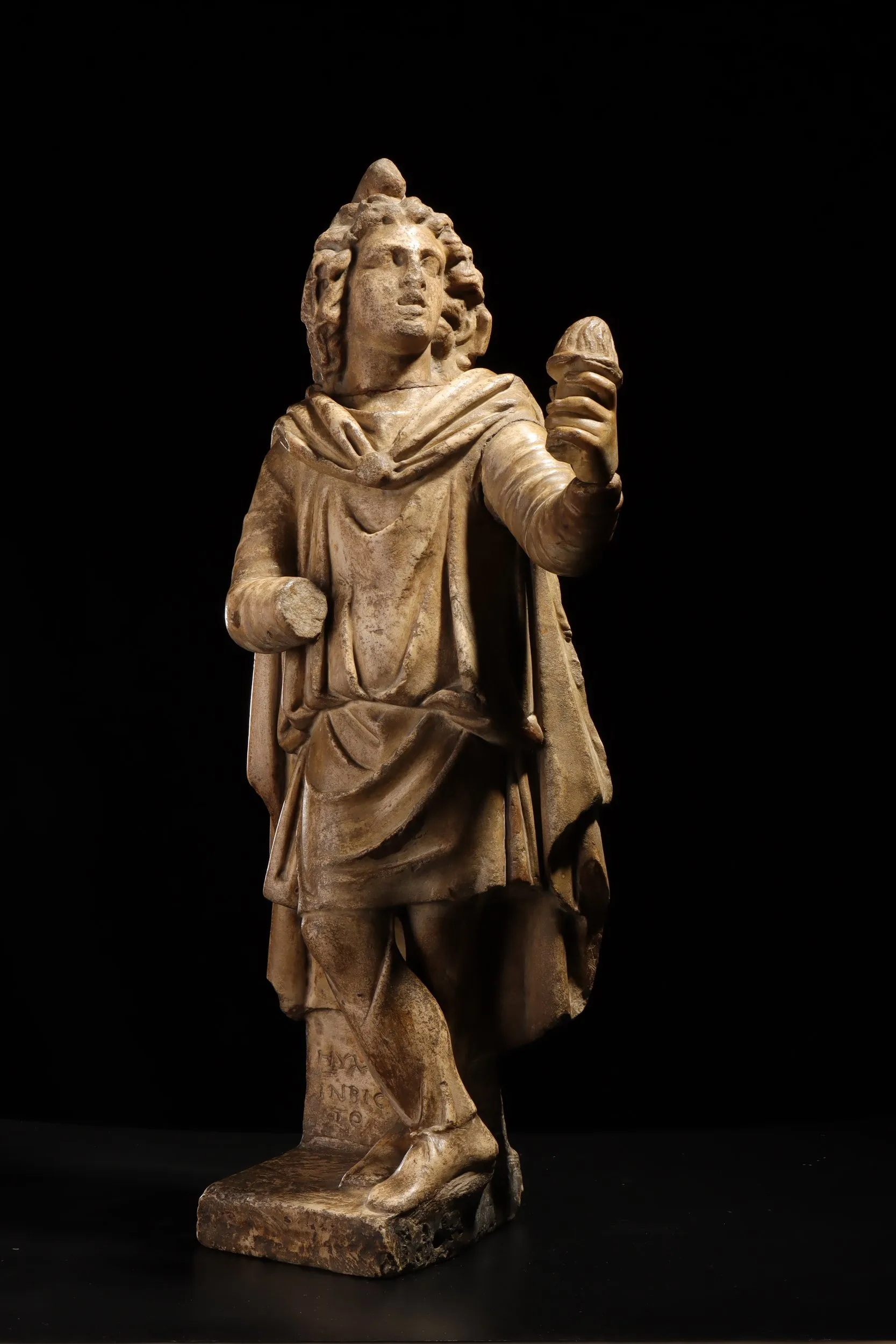
Marble statuette of the torchbearer Cautes bearing the votive inscription HYMNUS INBICTO, probably produced during the second or third century CE and preserved in an old European collection.

One of the two patres named in a communal dedication of the Mithraic congregation at Dura Europos during the reign of Caracalla.

Pater of the Mithraic community of Dura Europos attested in a communal dedication to Mithras and the syndexioi during the reign of Caracalla.

Engraved inscription naming Maximus as magus, from column 1 of the Mithraeum of Dura-Europos, Syria.

Strategos of the Palmyrene archers at Dura Europos and dedicator of the earliest tauroctony relief.

Son of the Palmyrene archer commander Iarhiboles and dedicator of the 170–171 CE tauroctony relief from Dura-Europos.
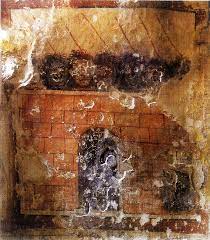
The City of Darkness unique fresco from the Mithraeum of Hawarte shows the tightest links between the western and eastern worship of Mithras in Roman Syria.
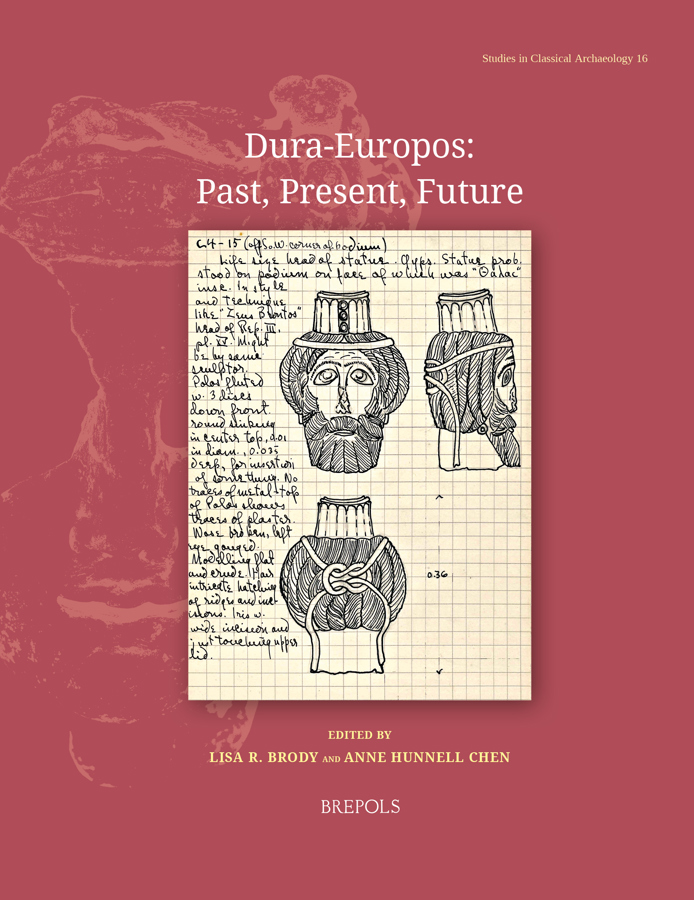
Proceedings from an international conference on the ancient city of Dura-Europos (Syria) held at Yale University in 2022, with papers that explore its cultural heritage through multidisciplinary research approaches.
Minute engraved inscription with the words eisodos and exodos (entrance and exit), from column 3 of the Mithraeum of Dura-Europos, Syria.

One of the few Mithraists whose progression from Nymphus to Miles and eventually to Pater may be traced epigraphically at Dura Europos.

Physician and Pater Patrum of the Mithraic community of Vieu, known from an altar dedicated by his son Gaius Rufius Virilis.

Known from an altar dedicated to his father Gaius Rufius Eutactus, Pater Patrum of the Mithraic community of Vieu.

Pater who consecrated the Mithraeum of Gimmeldingen during the final phase of Mithraic worship in the Rhineland.
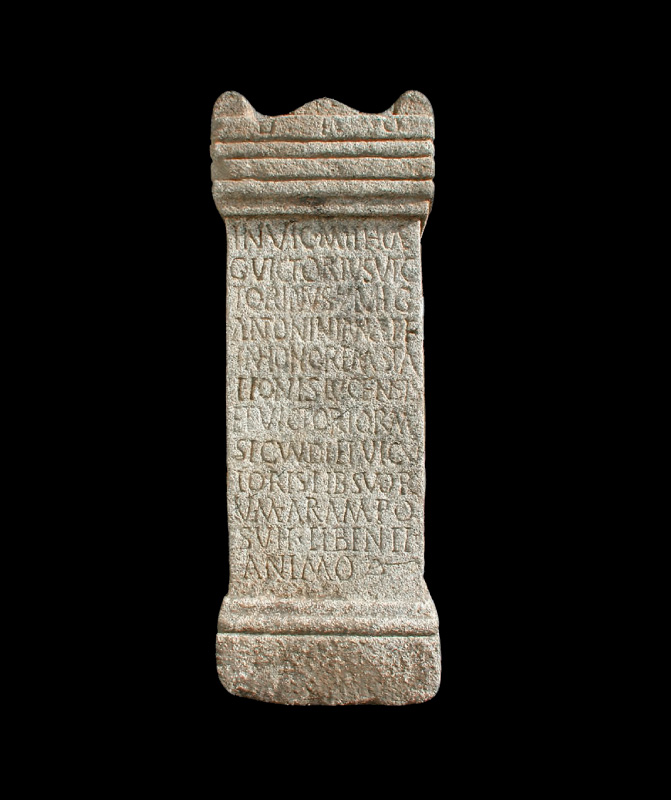
Victorius Victorious, centurion of the Legio VII, erected the altar in honour of the Lugo garrison and of the Victorius Secundus and Victor, his freedmen.

Imperial slave who, together with Successus, fulfilled a vow to Cautes, providing one of the earliest possible attestations of Mithraic worship in Hispania.
.jpg)
The controversial Italian journalist Edmon Durighello discovered this marble statue of a young naked Aion in 1887.

Nuzi at modern Yorghan Tepe, Iraq was an ancient Mesopotamian city 12 kilometers southwest of the city of Arrapha and 70 kilometers southwest of Sātu Qala, located near the Tigris river.

Dedicator of a rare altar jointly honouring Mithras and Silvanus at Emona, whose ambiguous name has fuelled debate over whether the dedicant was a man or a woman.

Known from a disputed inscription discovered near Mediolanum, she has been tentatively linked to a Mithraic dedication, although the interpretation remains controversial.
