Your search Bu Njem gave 1882 results.
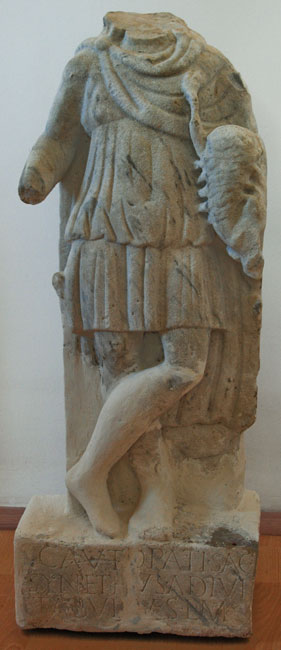
The Cautopates with scorpion found in 1882 in Sarmizegetusa includes an inscription of a certain slave known as Synethus.
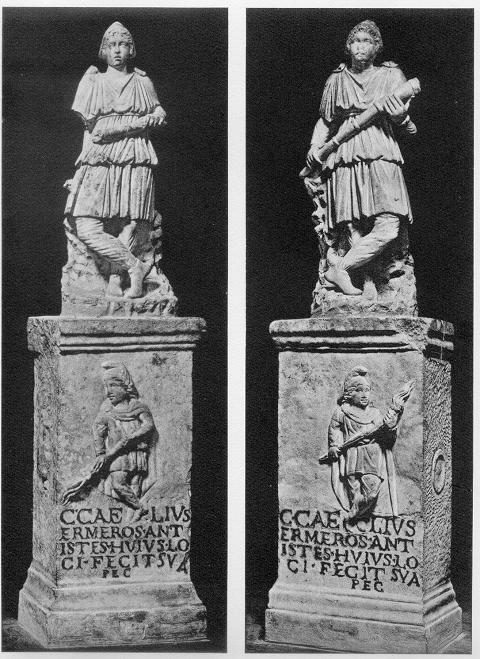
The sculptures of Cautes and Cautopates from the Mitreo del Palazzo Imperiale may have been reused from an older mithraeum in Ostia.

This altar, now lost, mentions that the Pater Patrum passed on the attributes of the sacred Corax to his son.
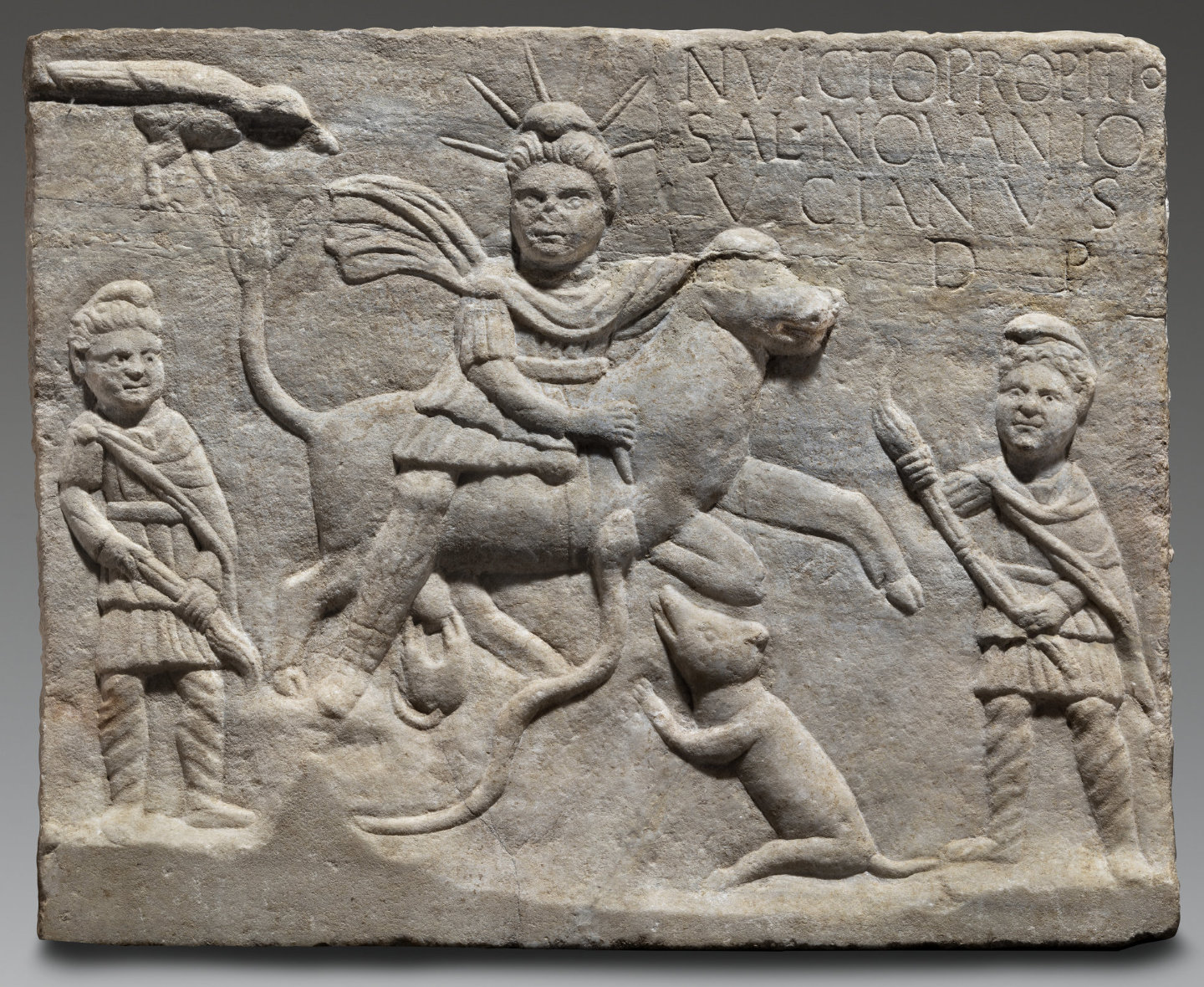
The Macerata Tauroctony shows Mithra slaying the bull with the usual Pyrigian cap and six rays around his head.
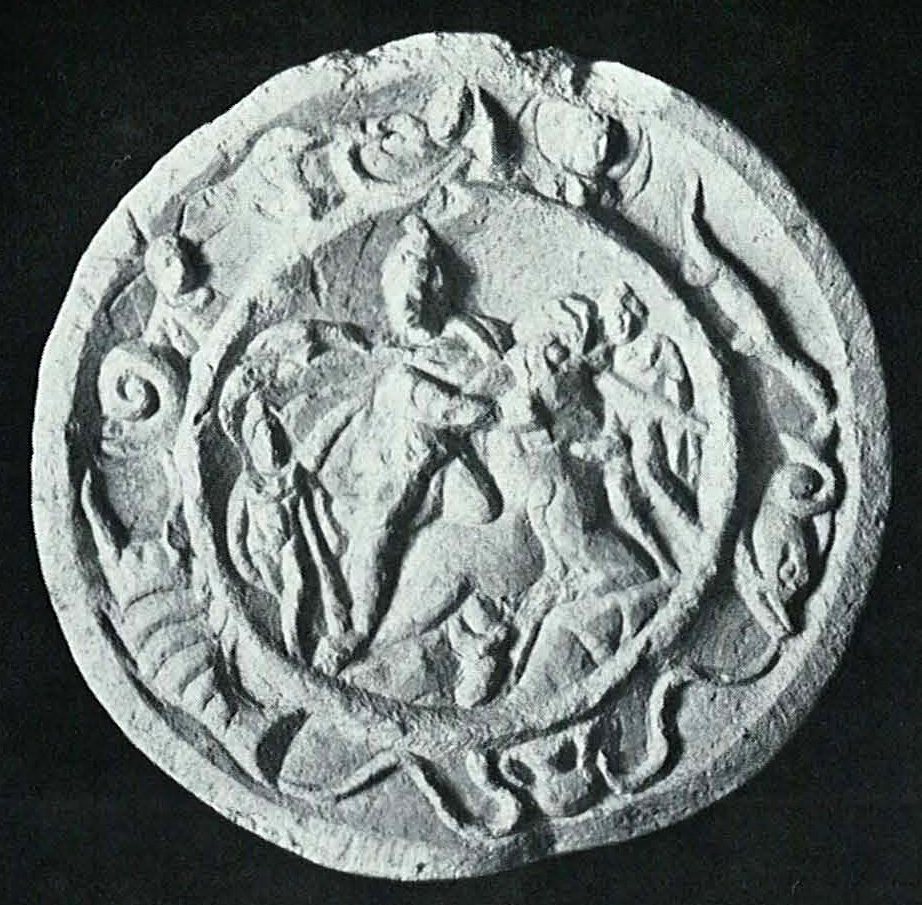
The round relief of Mithras killing the bull of Split is surrounded by a circle with Sun, Moon, Saturn and some unusual animals.
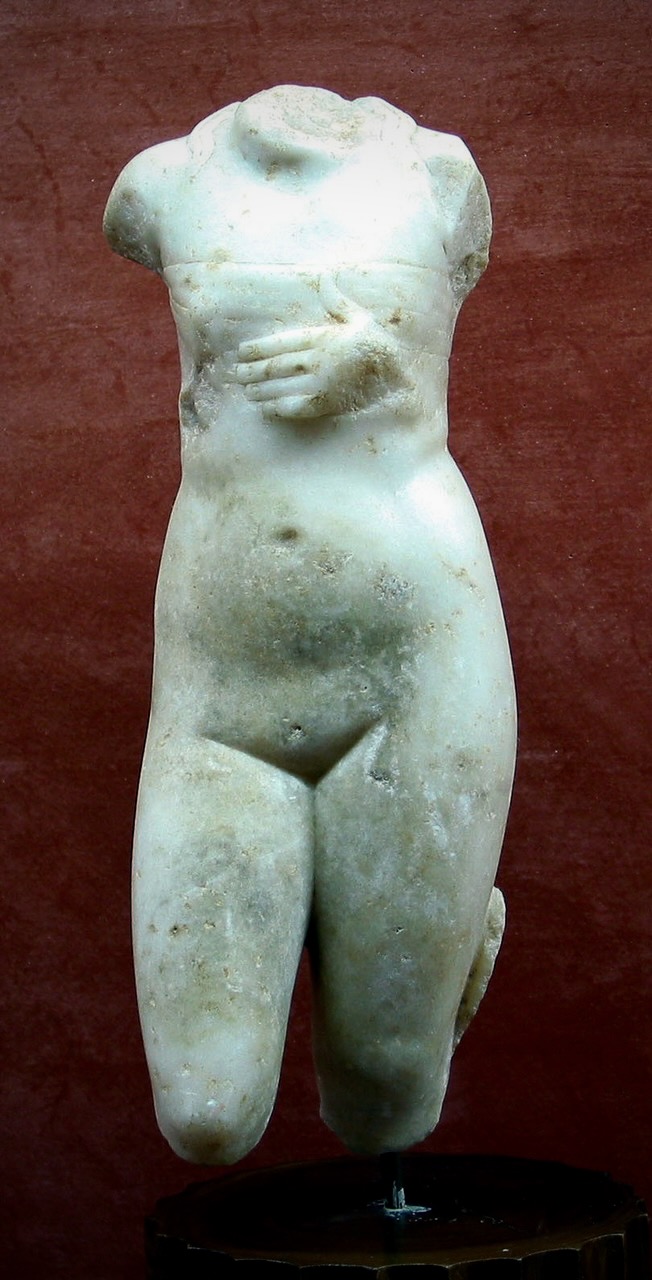
The lack of attributes and its decontextualisation prevent us from attributing a specific Mithraic attribution to this small Venus pudica from Mérida.
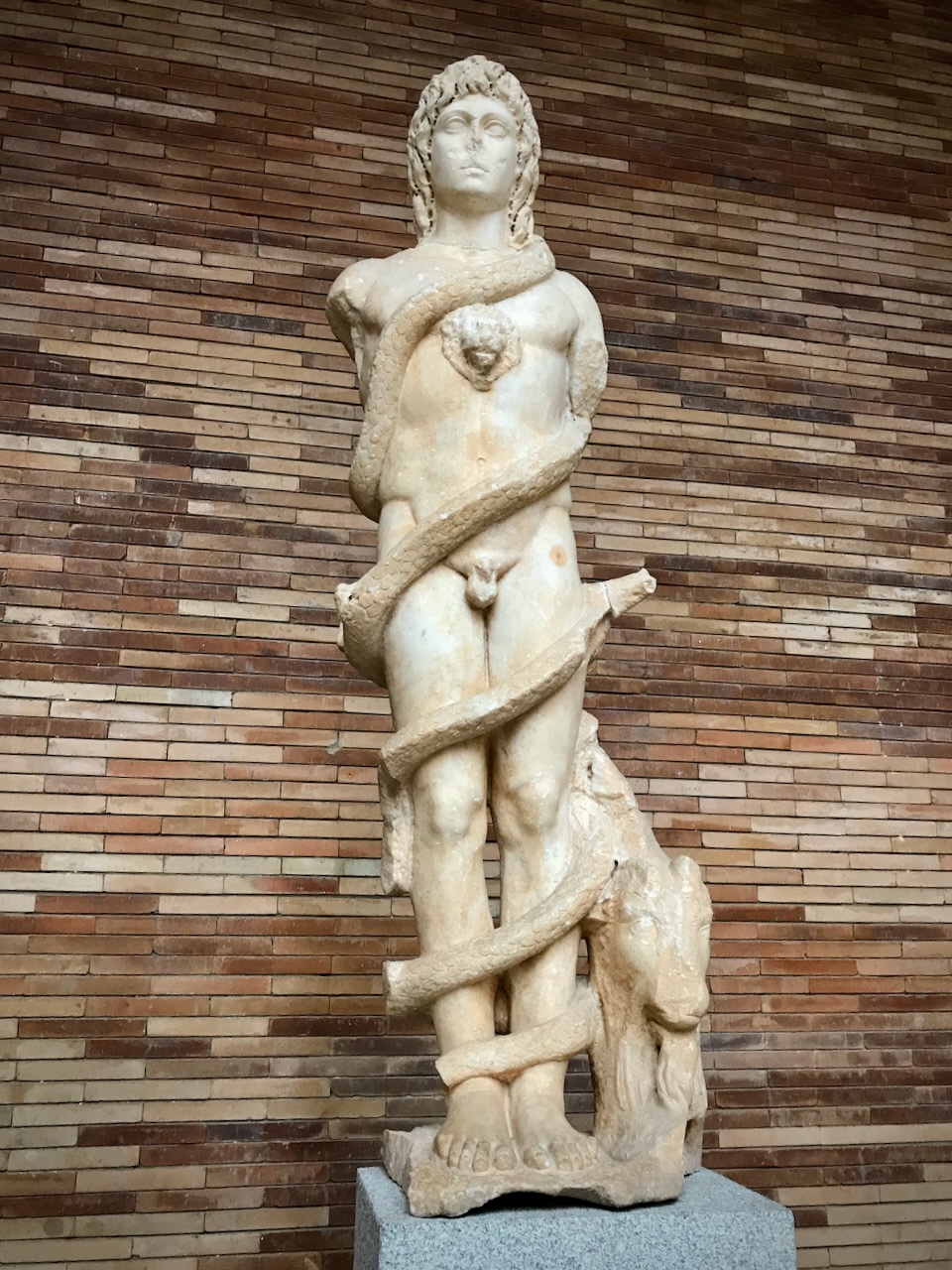
The Aion-Chronos of Mérida was found near the bullring of the current city, once capital of the Roman province Hispania Ulterior.
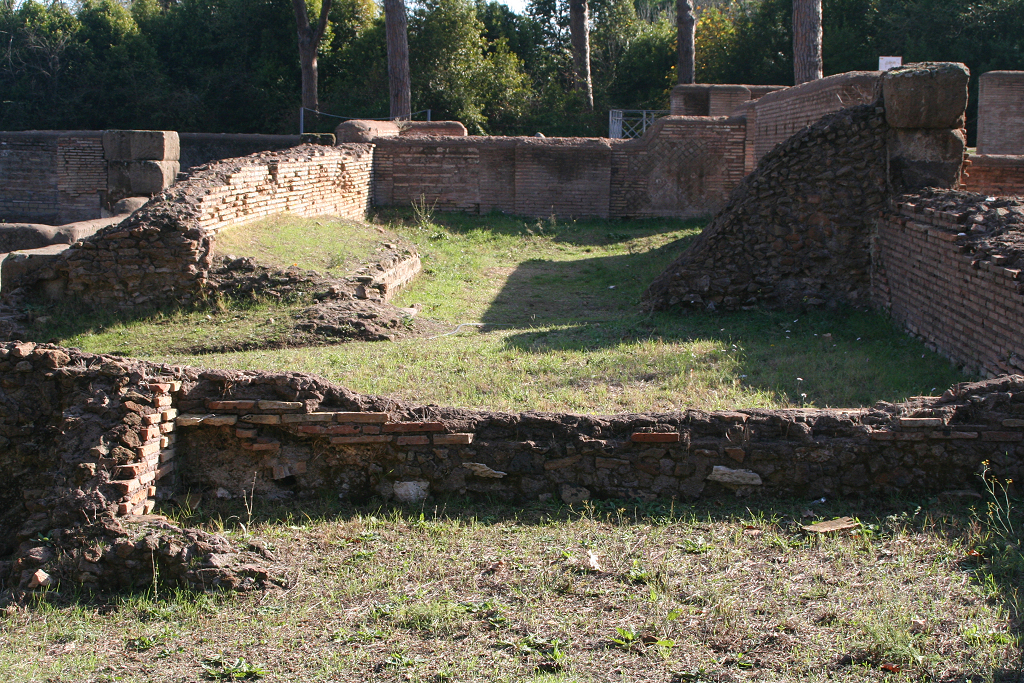
The Mithraeum near Porta Romana was connected to a Sacello, but the door was blocked.
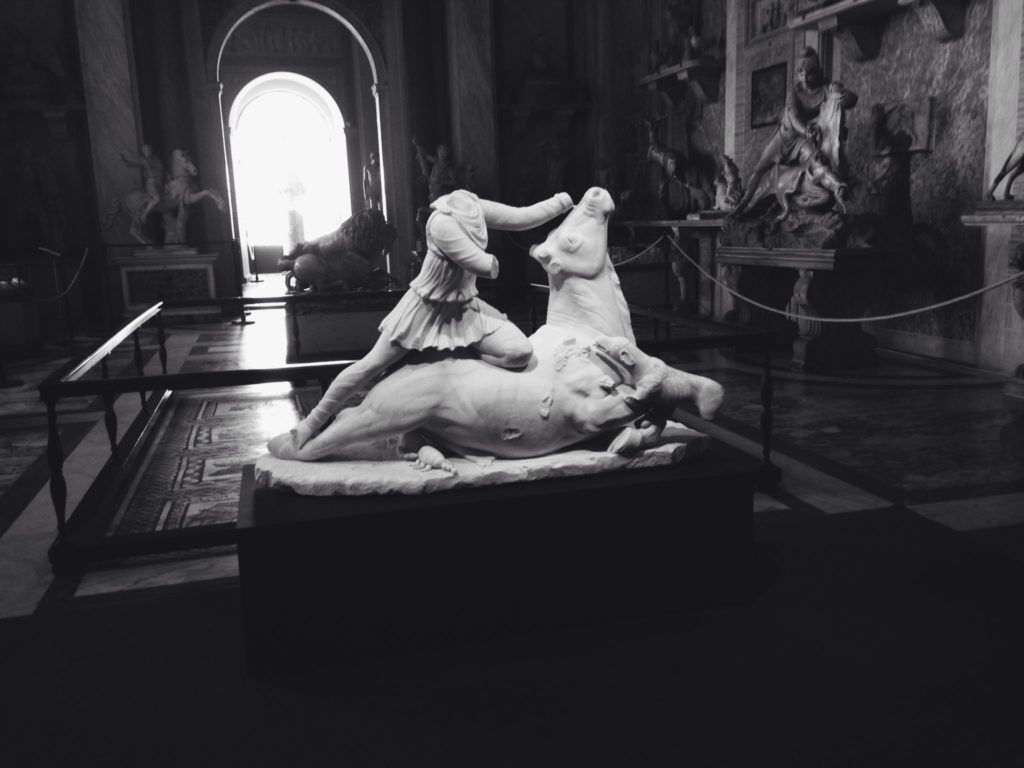
Votive sculpture of Mithras sacrificing the bull from the Mithraeum of Tarquinia.
A possible Mithraeum II was found in Bingen, but the few remains are not sufficient to prove it.
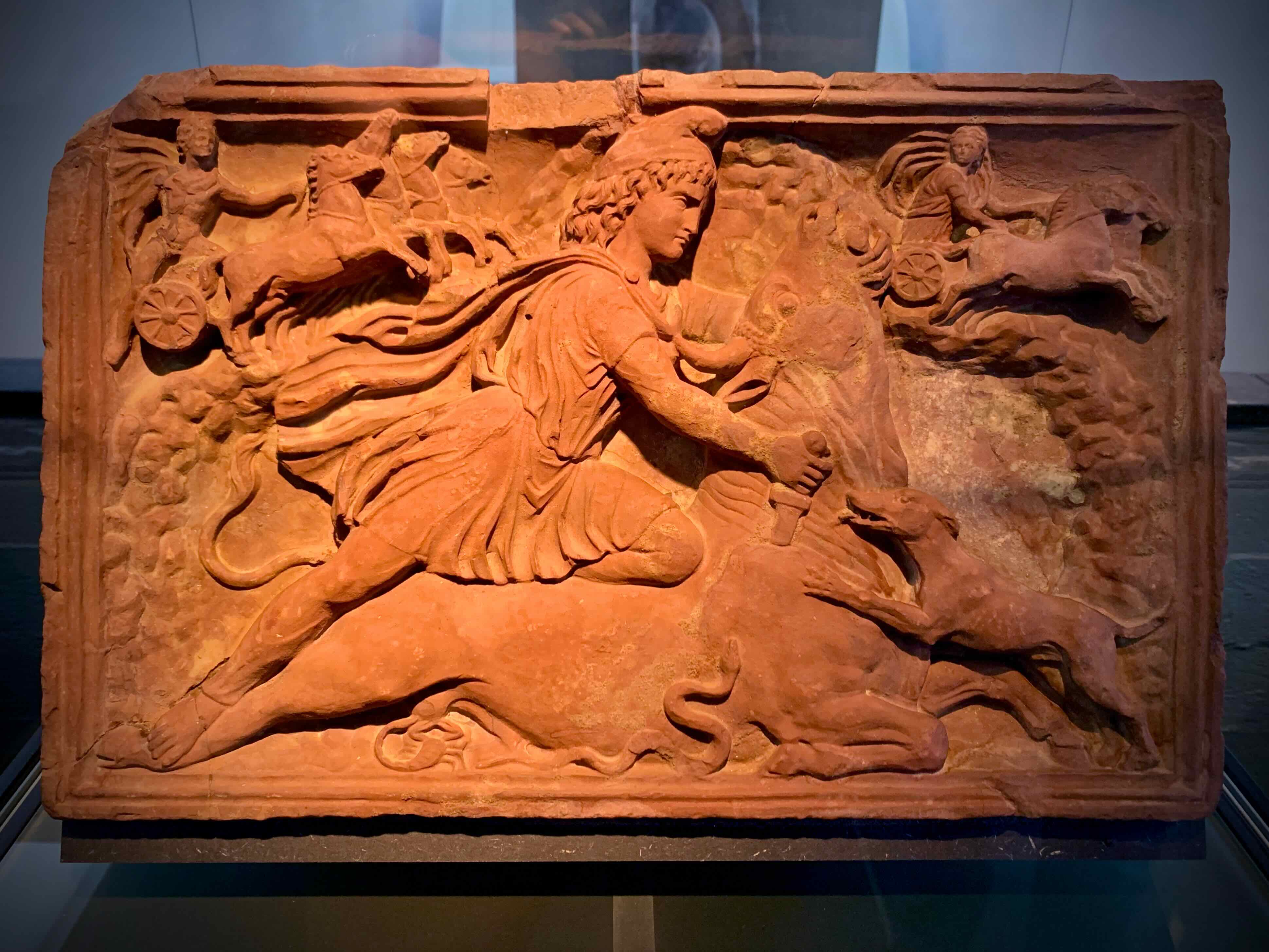
Maarten Vermaseren acquired this rosso antico marble of Mithras slaying the bull in 1961.
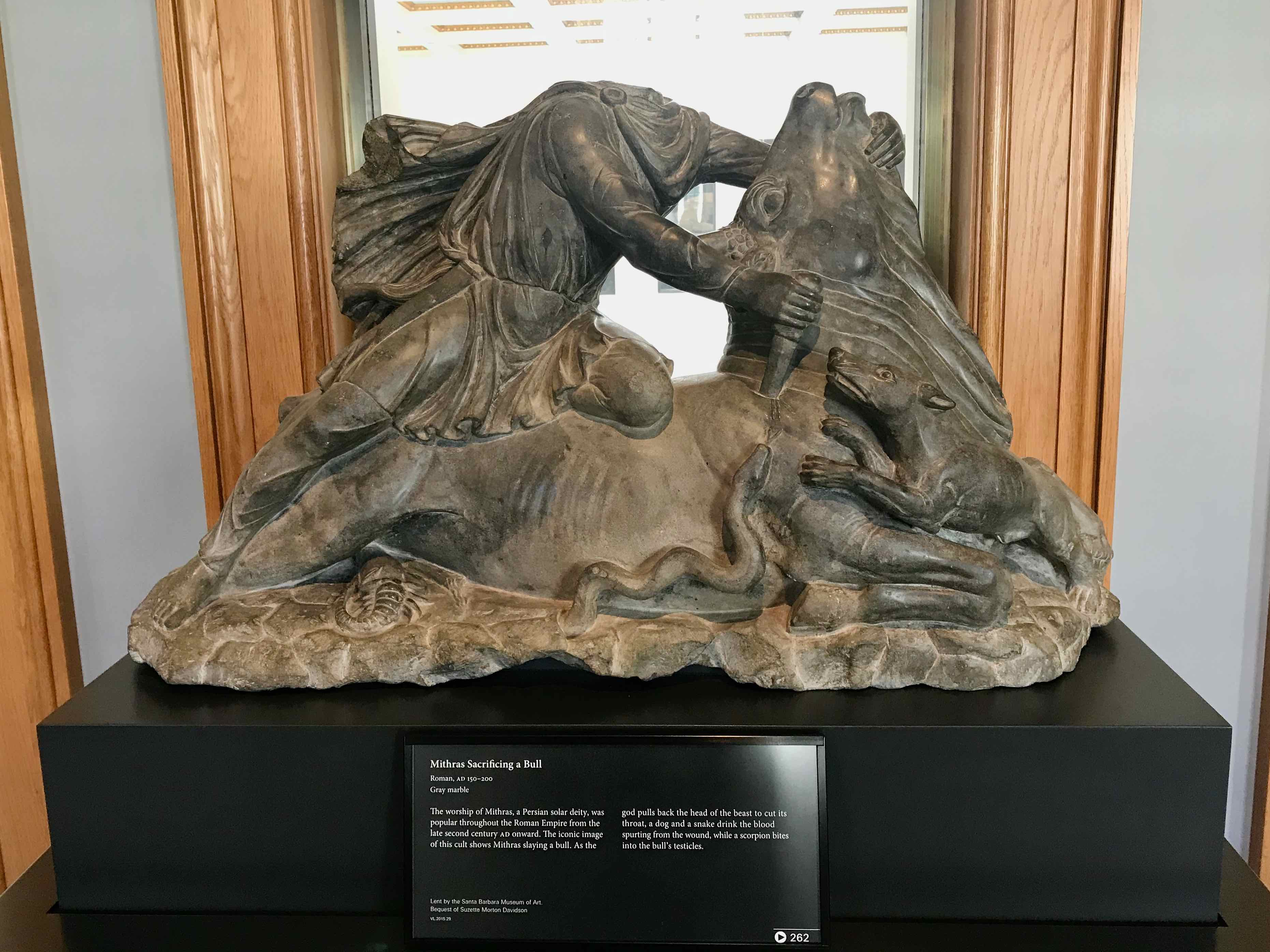
Tauroctony in black marble on display at the Santa Barbara Museum of Art, California.
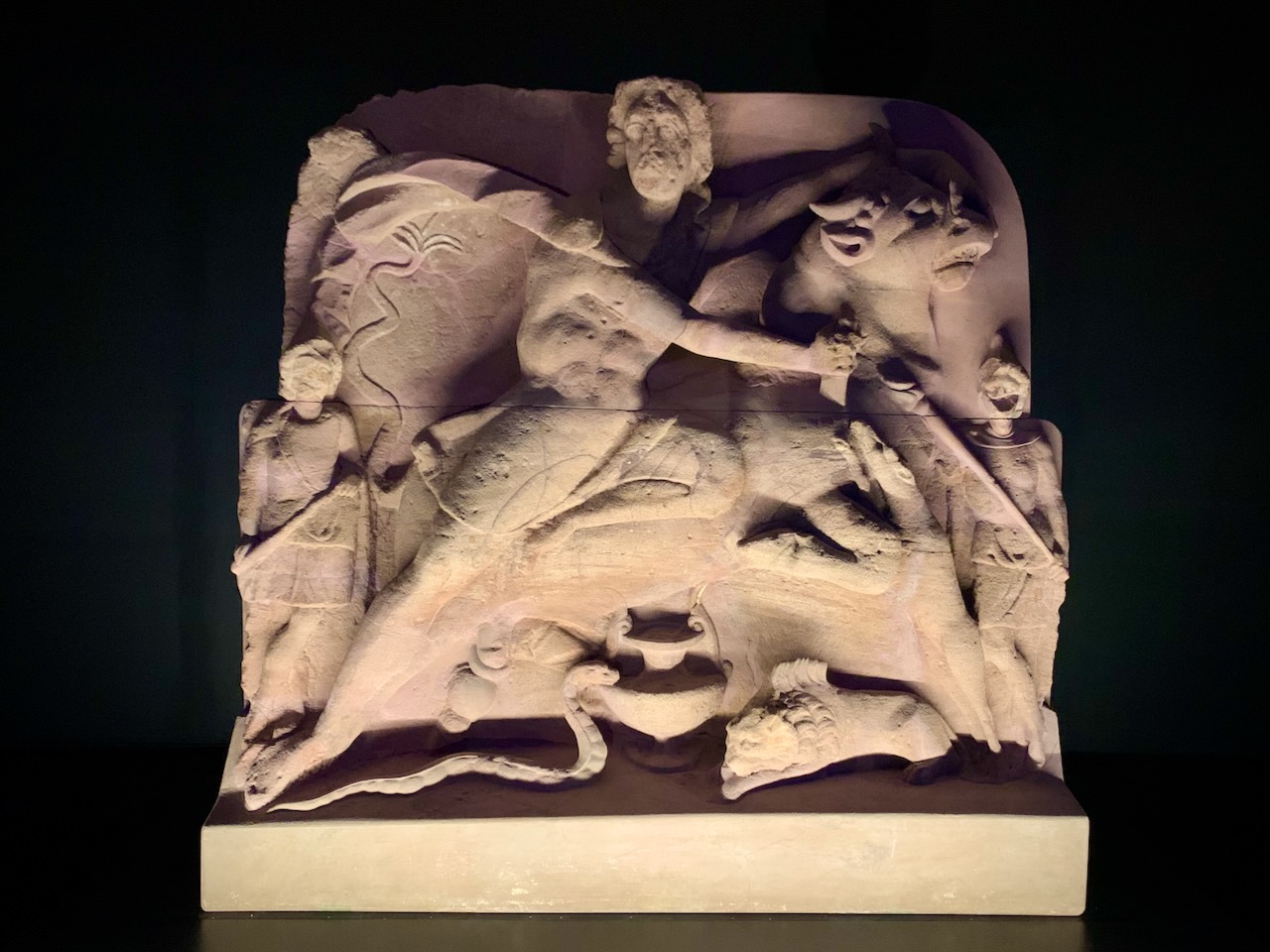
The relief of Mithras slaying the bull from Nida's Mithraeum III was found in two pieces in 1887, destroyed during an air raid on Frankfurt in 1944, and restored in 1986.
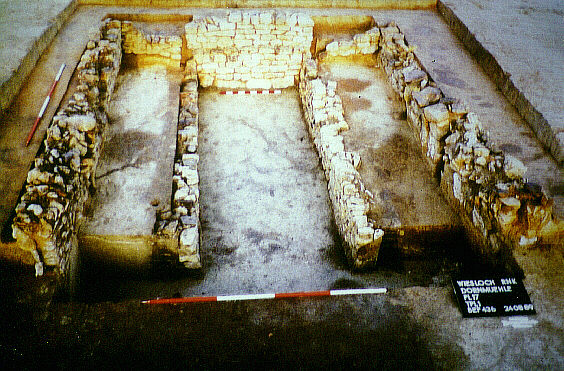
The first members of the Wiesloch Mithraeum may have been veterans from Ladenburg and Heidelberg.
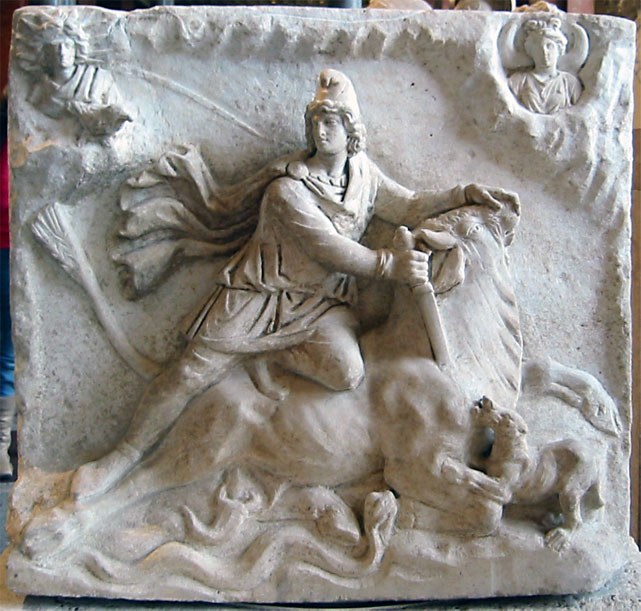
The marble shows Mithras slaying the bull, on one side, and Sol and Mithras feasting on a bull skin, on the other.
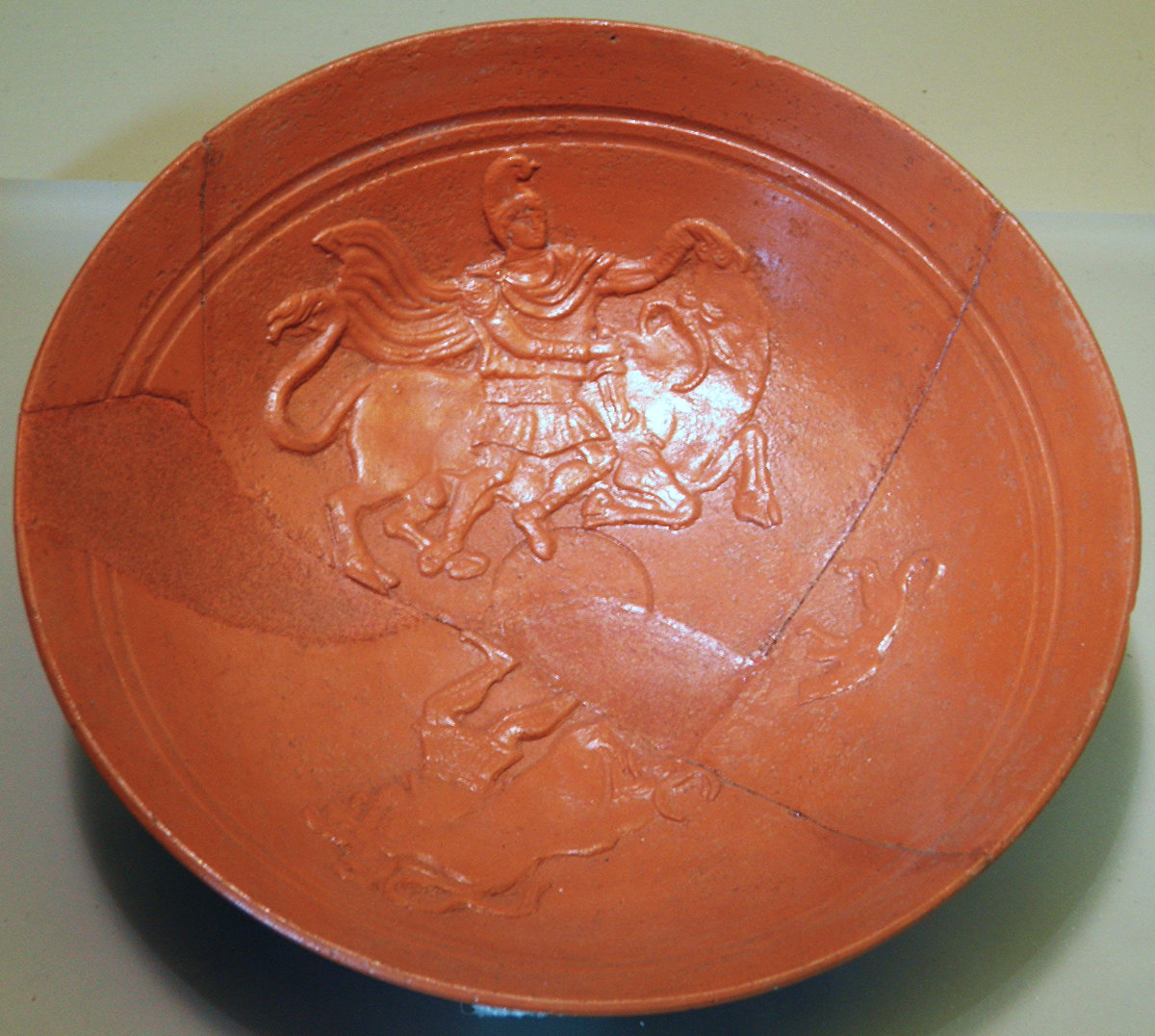
The red ceramic vessel from Lanuvium shows Mithra carrying the bull, followed by the dog, and the Tauroctony on the opposite side.
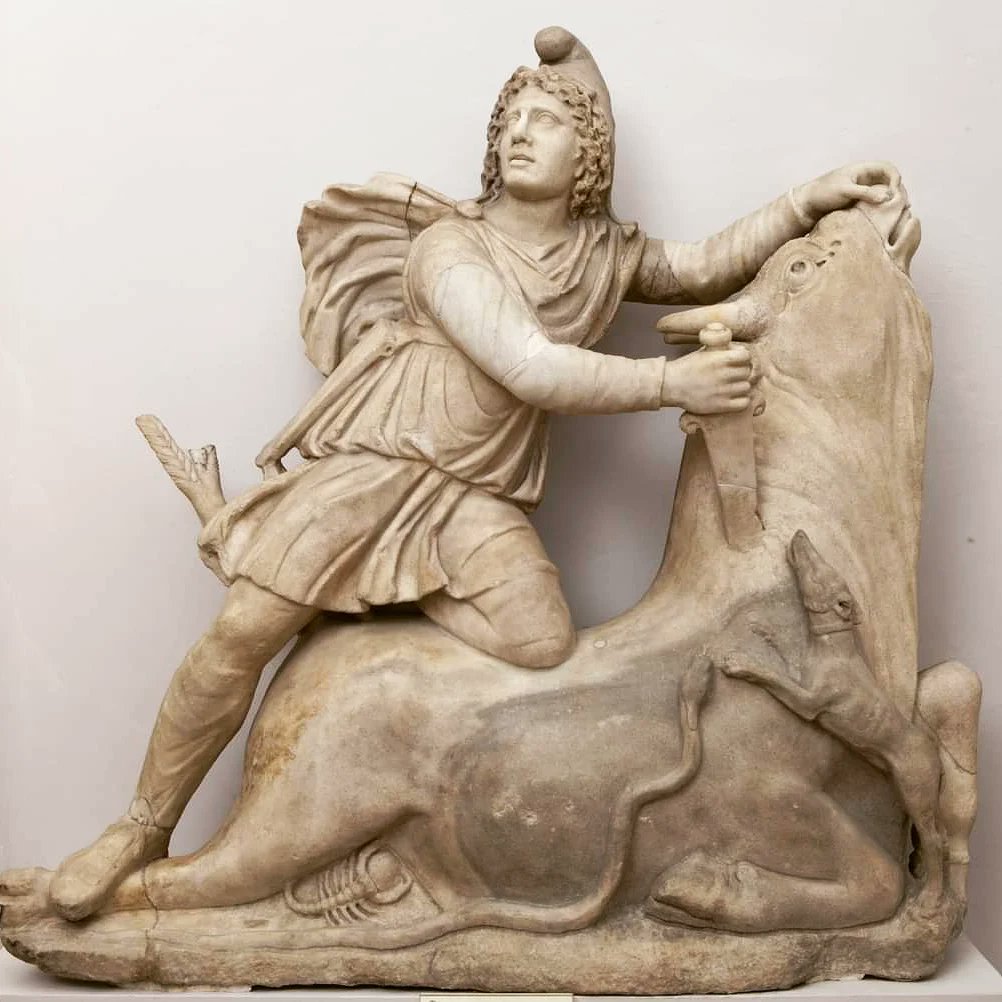
This sculpture of Mithras slaying the bull was bequeathed to the Republic of Venice in 1793 by Ambassador Girolamo Zulian.
Between the 1st and 4th centuries, Mithraism developed throughout the Roman world. Much material exists, but textual evidence is scarce. The only ancient work that fills this gap is Porphyry’s intense and complex essay.
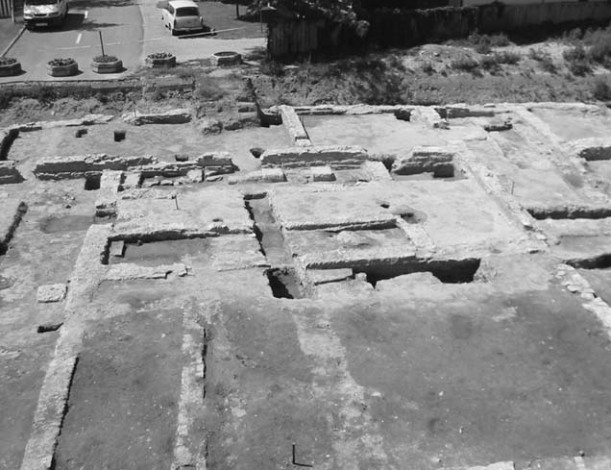
The Mithraeum has found in a Roman building at the end of Attila Road, in Hévíz, Egregy
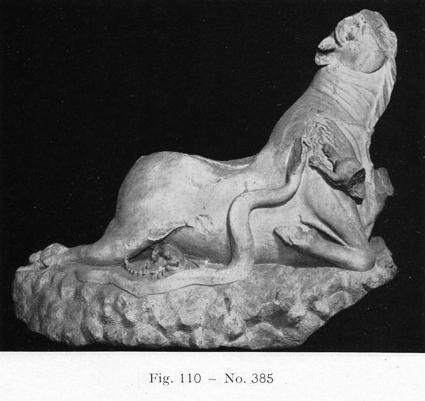
This sculpture of Mithras sacrificing the bull was found in the Quirinal and is now on display in the Musei Capitolini.
