Your search Roman cemetery of St. Matthias gave 2751 results.

Centurio frumentarius probably from Tarraco, who served in the Legio VII Gemina located in Emerita Agusta.

The pater Artemidorus seems to be an Augustan freedman of the Claudians, of Eastern origin.
Pater who offered several monuments, including a temple, in Augusta Treverorum.

He was a soldier of the Cohors I Belgarum, probably of Dalmatian origin, who dedicated an altar to Mithras in Aufustianis.

He dedicated to the Emperor, for the worshipers of the god Mithras a sculpture in Stabiae.

Textile merchant from Augusta Treverorum and Pater of his community, he left testimony of his cult to Mithras in the 3rd century.

Priest. He devoted an inscription found on the main altar of the Mitreo della Planta Pedis.

Donated a krater with weekday gods to Mithras god and king in Augusta Treverorum.
Procurator of Tarraconensis, he dedicated a monument to the Invincible God, Isis and Serapis in Asturica Augusta.

Fructus was the slave who paid for the erection of the Mitreo del Sabazeo in Ostia.

For the health of this man, a small altar was dedicated to the god Invictus in the Emerita Augusta.

Dedicated a stele in Nicopolis ad Istrum, previously dedicated by a certain Galerios.


Public horseman and consul under the emperor Caracalla, who completed a Mithraeum in Aveia Vestina.

Pater Patrum of Ostia, he officiated at the Mitreo Aldobrandini where he is mentioned in a couple of inscriptions.
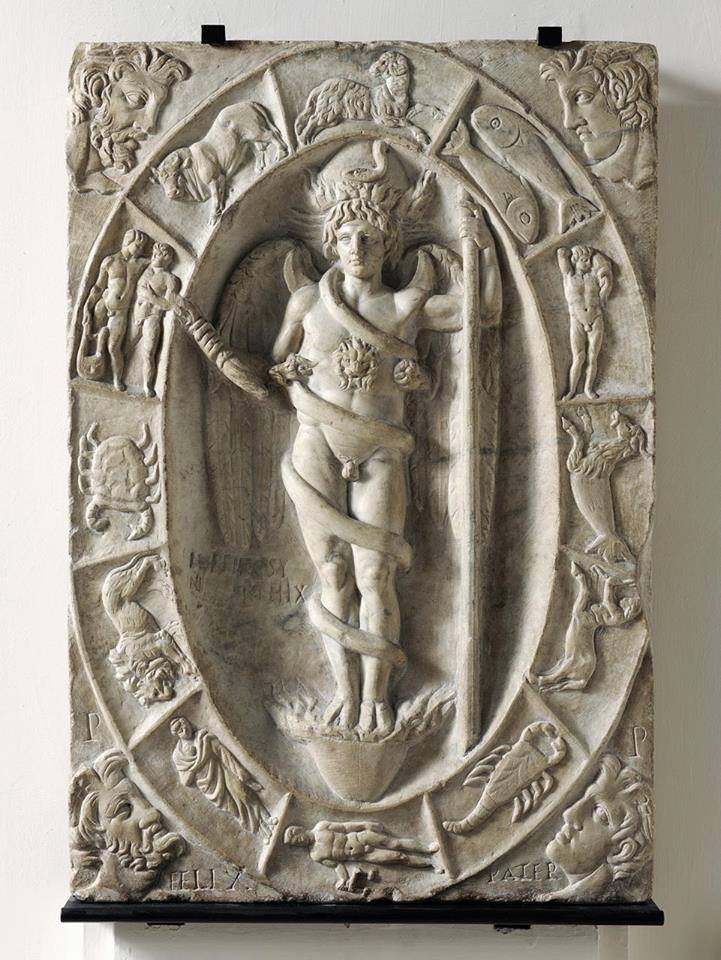
The Aion / Phanes relief, currently on display in the Gallerie Estensi, Moneda, is associated with two Eastern mysteric religions: Mithraism and Orphism.
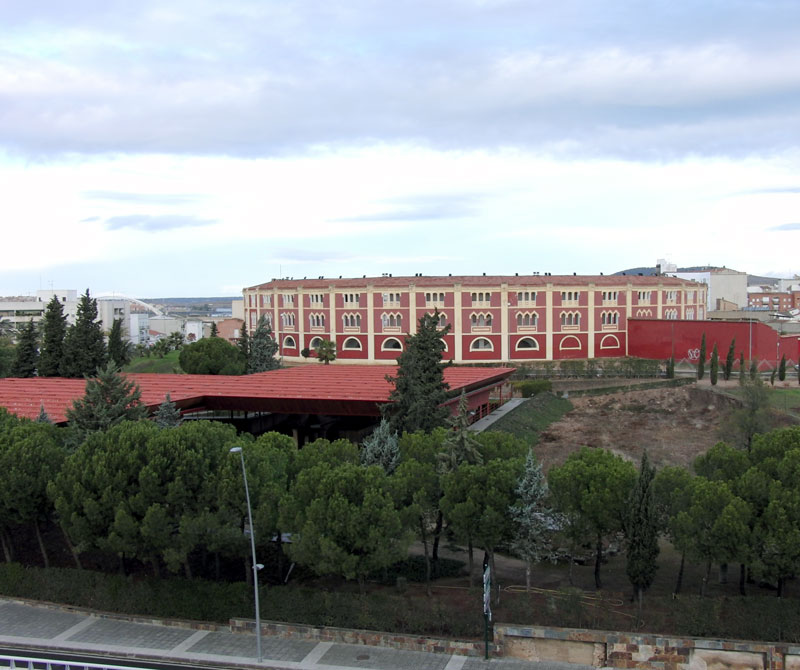
Although the site at Cerro de San Albín is not a Mithraeum, archaeologists have found several monuments related to the cult of Mithras.
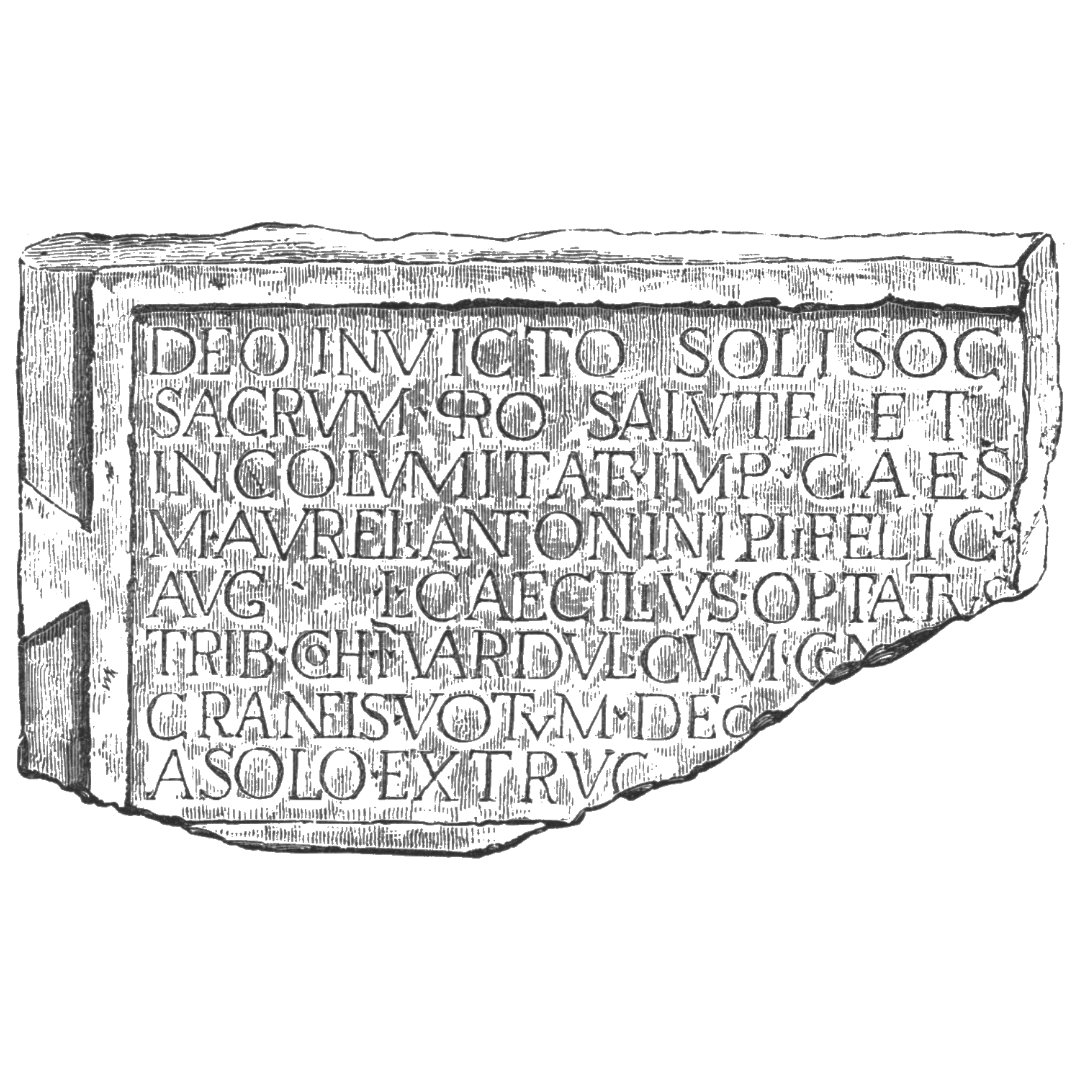
This inscription commemorates the building of a mithraeum in Bremenium with fellow worshippers of Mithras.
