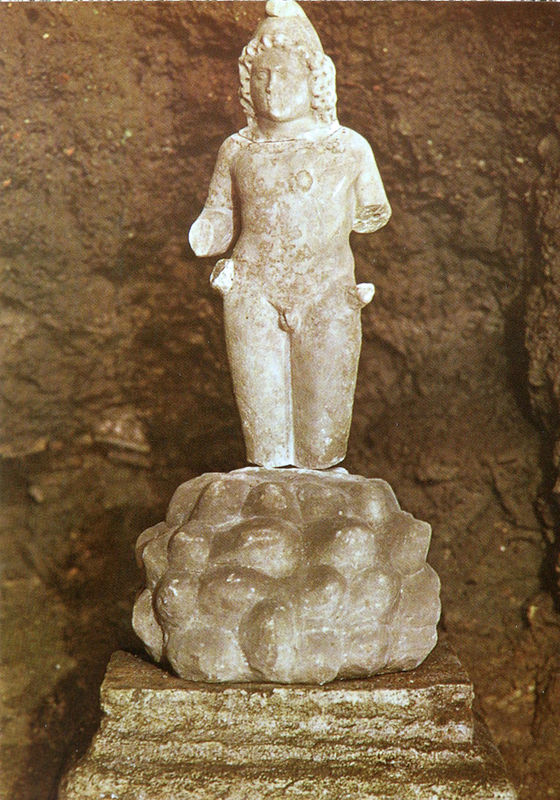
Mithras birth from the knees upwards emerging from a rock and wearing as usual a Phrygian cap.
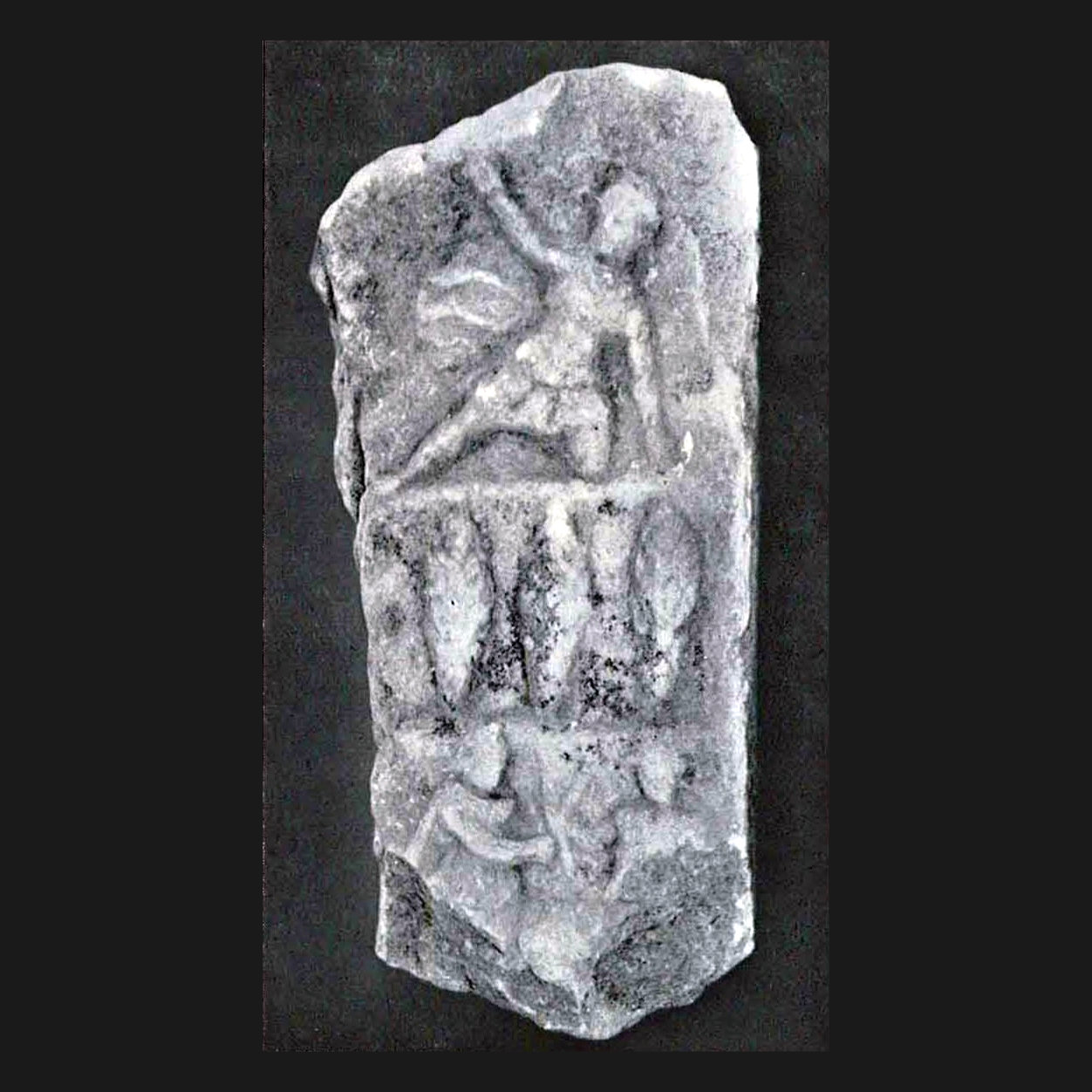
These fragments of a cult relief of Mithras were found at the Mithraeum II of Ptuj, Slovenia.
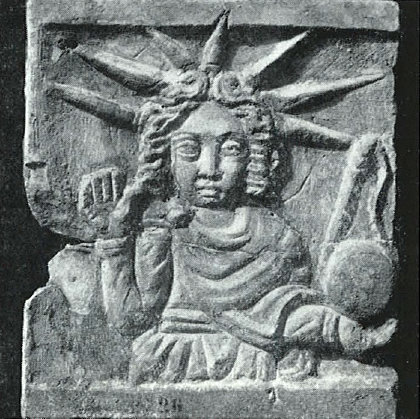
The relief of Sol was found during the construction of Piazza Dante in Rome in 1874.
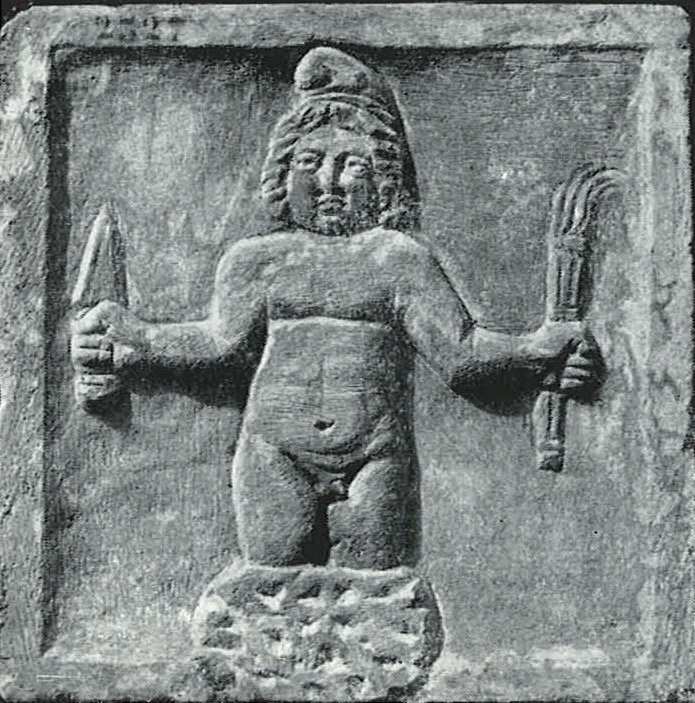
The relief of Mithras being born from the rock of the Esquiline shows the young god naked, as usual, with a torch and a dagger in his hands.
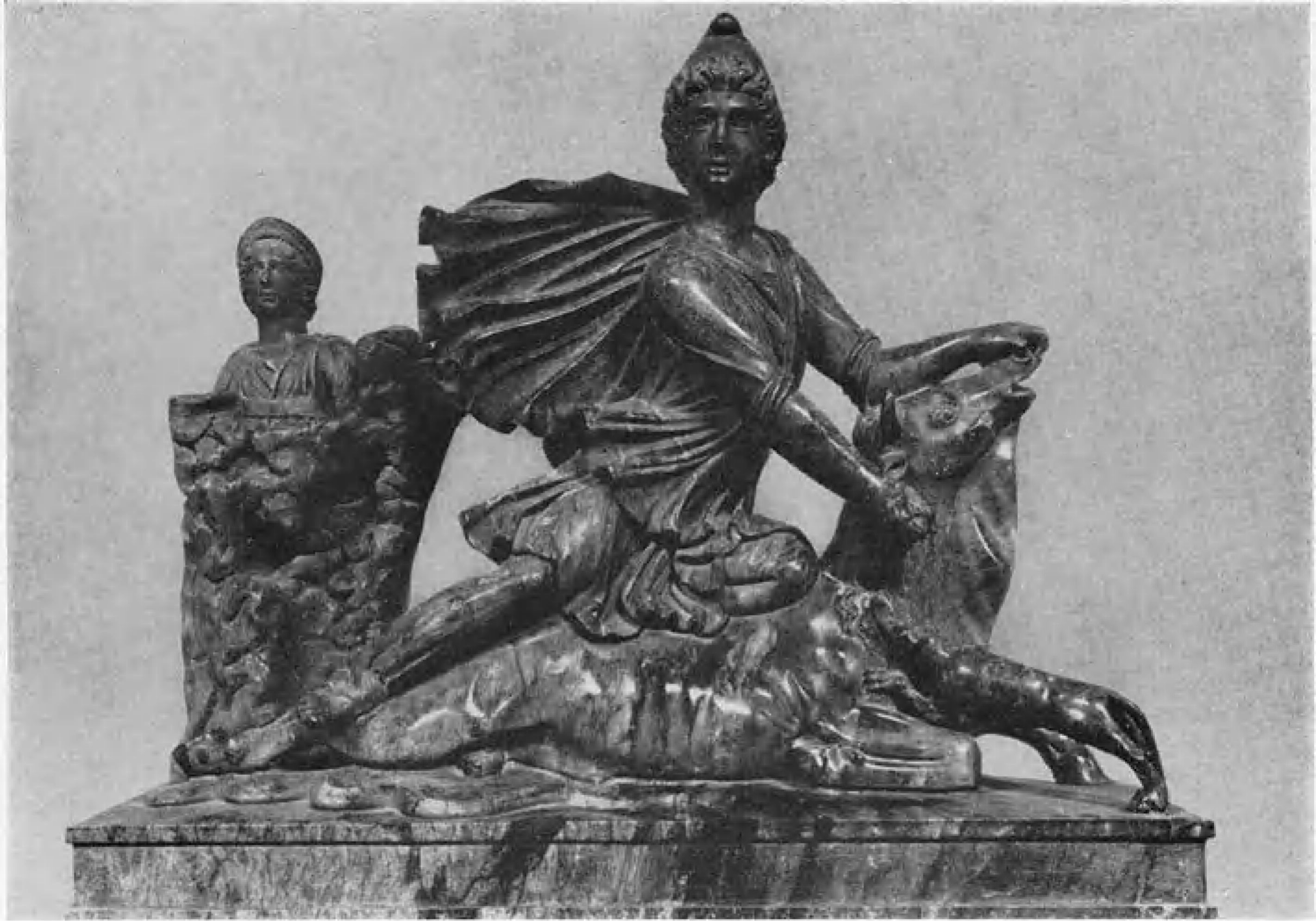
This black marble of Mithras killing the Bull has belonged to the sculptor Carlo Albacini.

White marble relief, found near Aix "a la Torse dans un enclos ayant appartenu à la famille de Colonia".
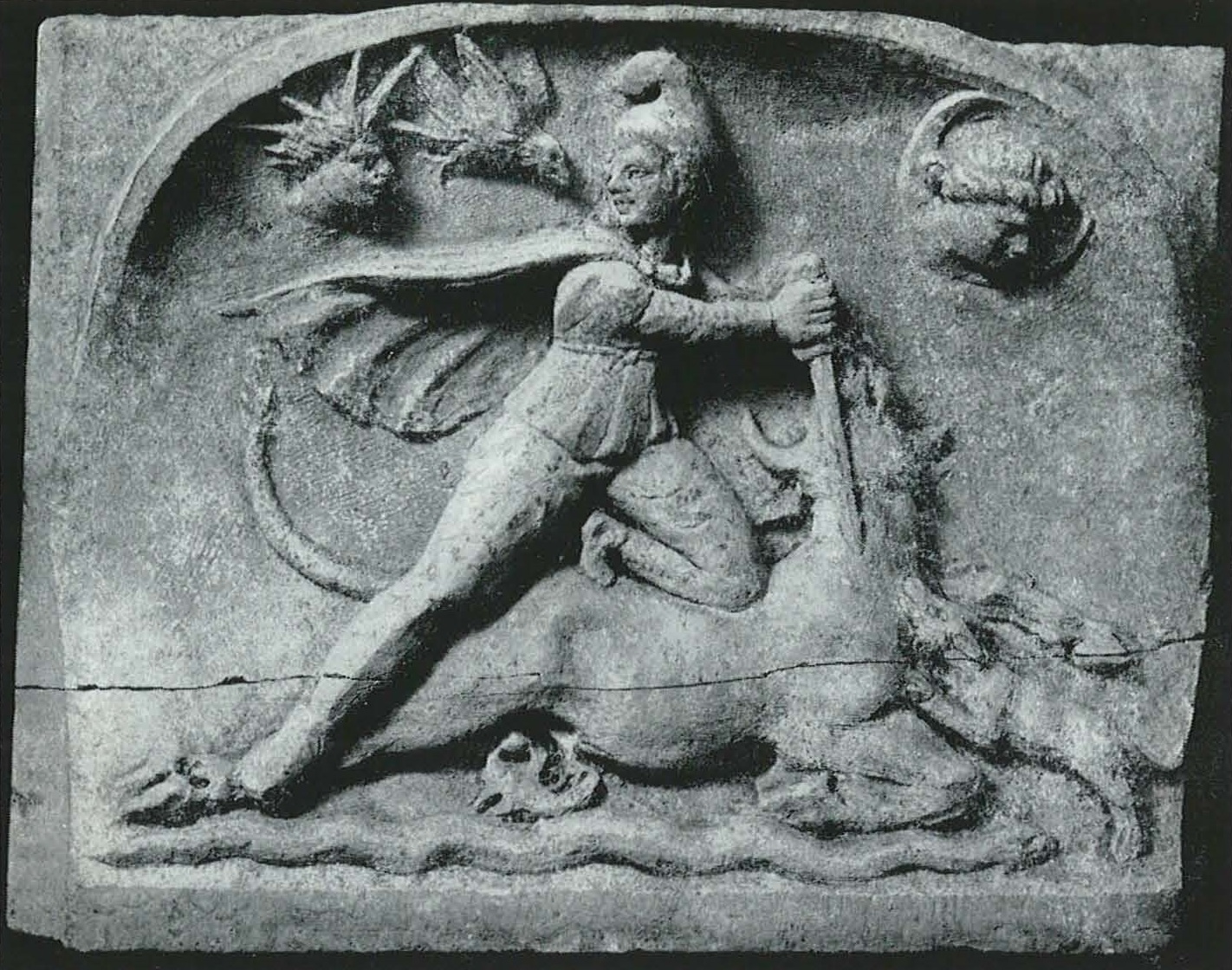
This simple relief of Mithras killing the bull without his companions Cautes and Cautopates was found in the so-called Mithraeum of the Esquilino, Rome.

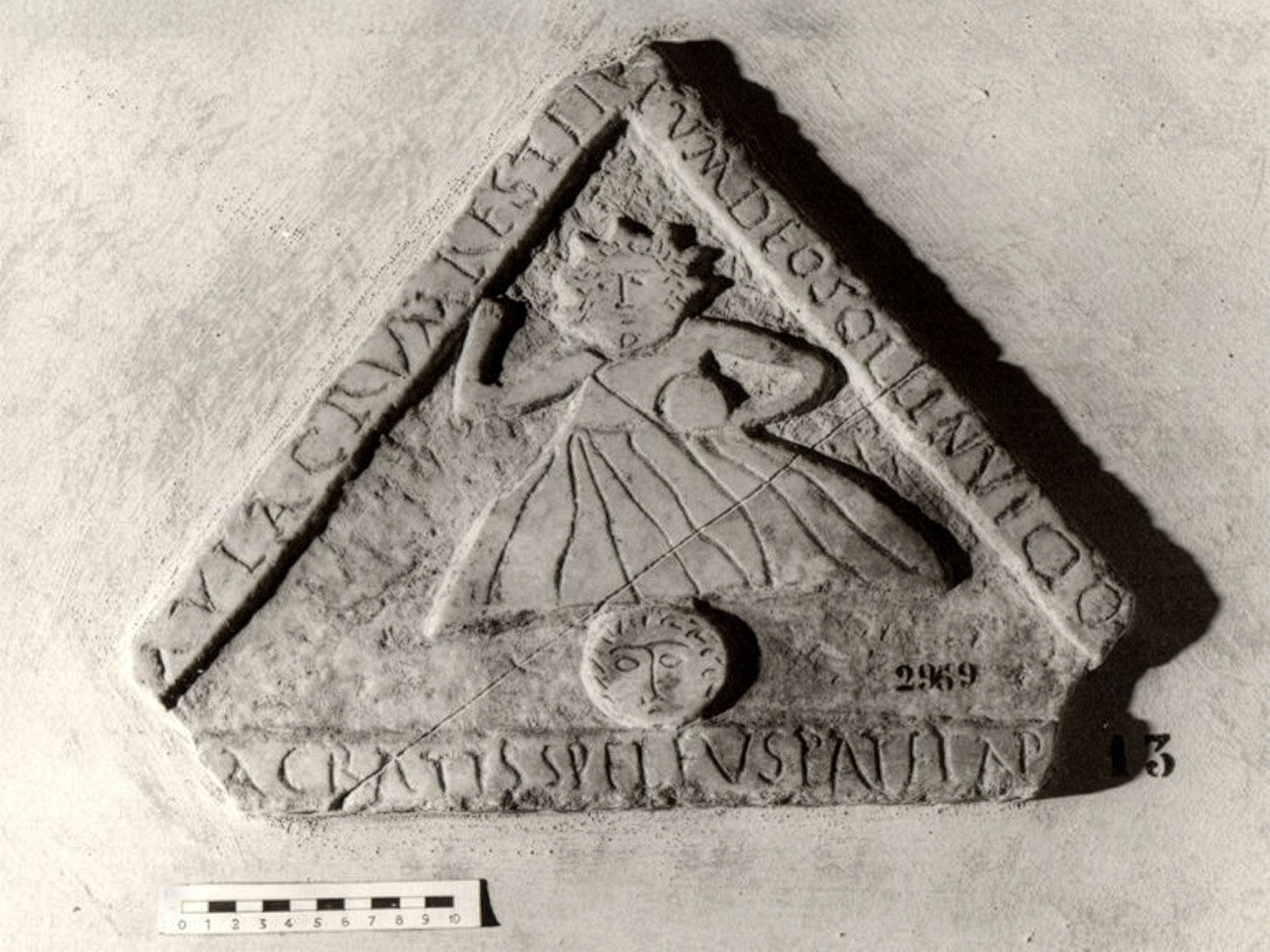
Small triangular slab bearing a Latin inscription referring to Sol Invictus and to a sacred cave, probably dating to the 4th century AD.
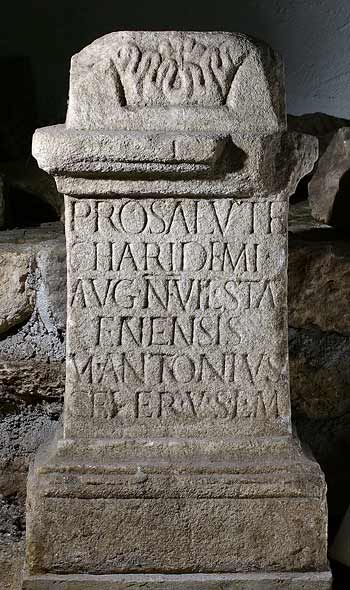
Marble votive altar with inscription to Mithras, featuring coiled, fan-like motifs above the text and associated with the statio Enensis.
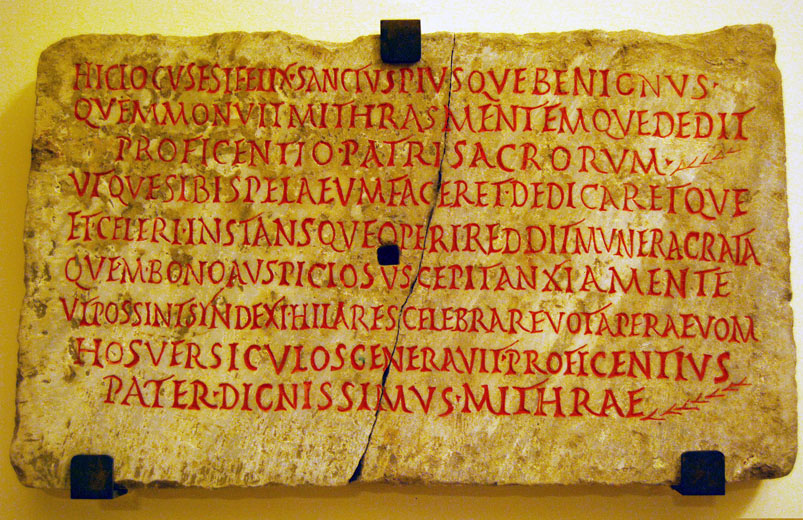
This marble slab bears an inception be the Pater Proficentius to whom Mithras has suggested to build and devote a temple.
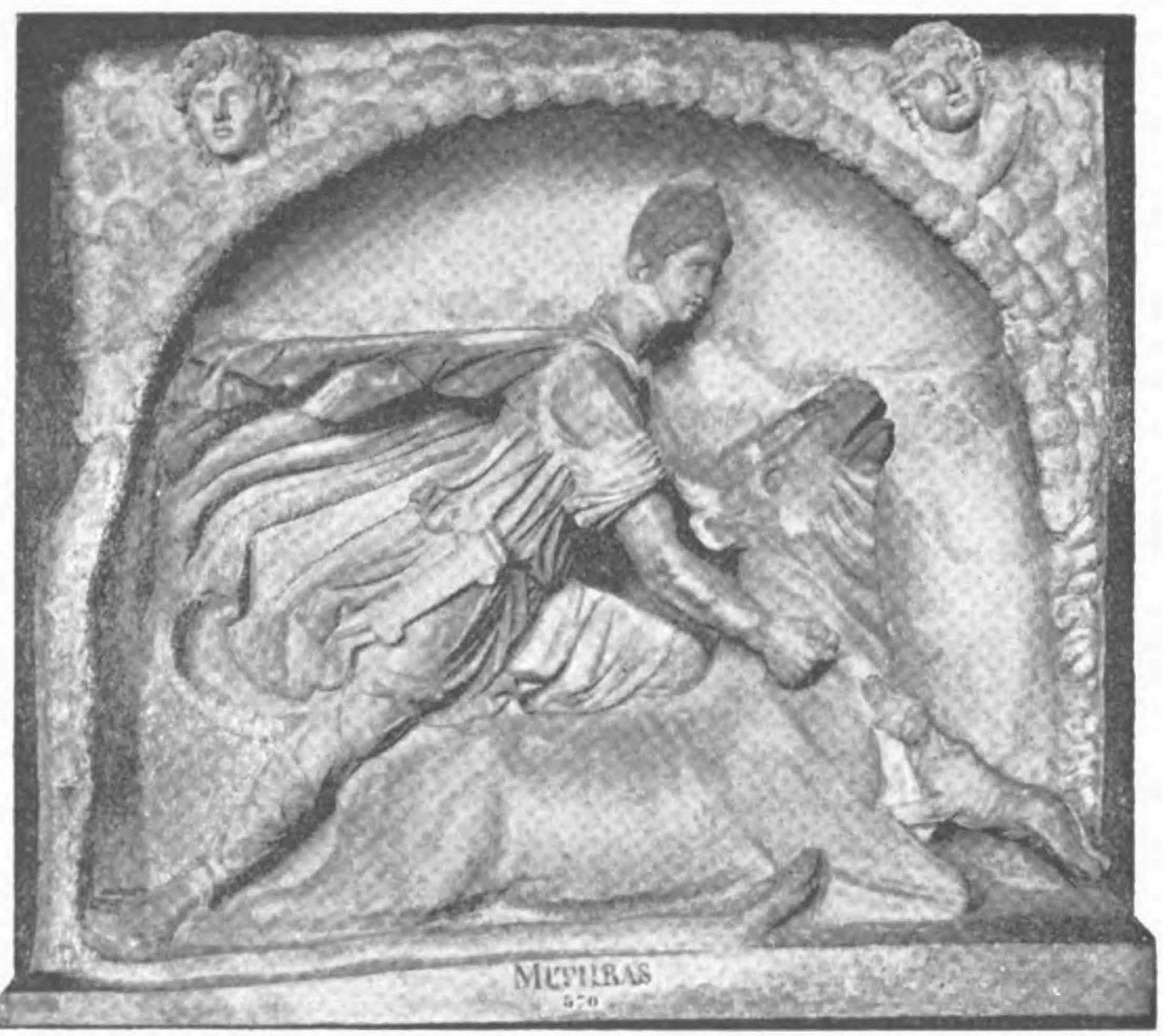
This is one of the three reliefs depicting Mithras killing the bull that the Louvre Museum acquired from the Roman Villa Borghese collection.
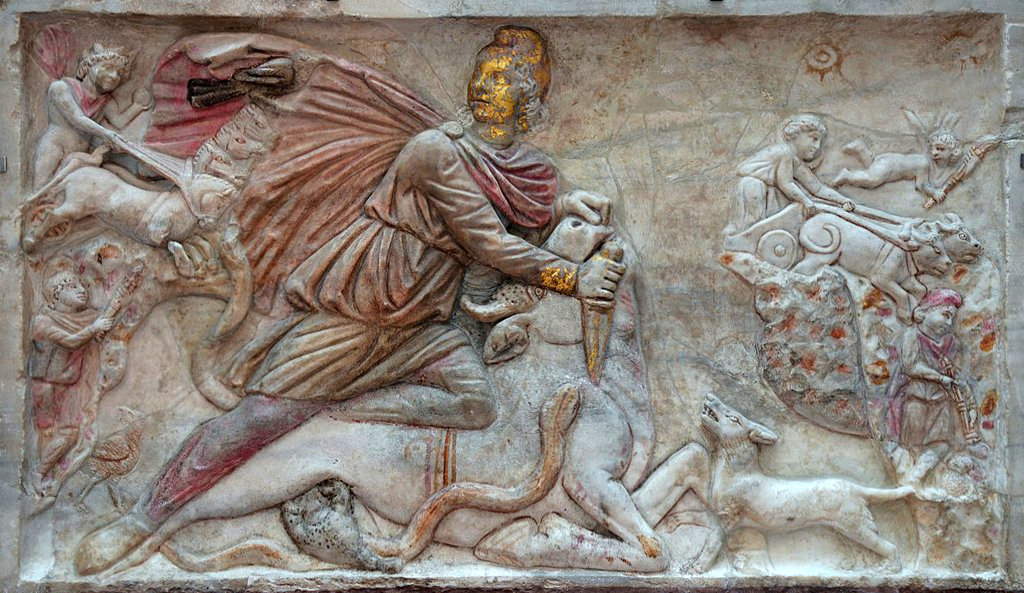
The relief of Mithras killing the bull of Stefano Rotodon preserves part of his polycromy and depicts two unusual figures: Hesperus and an owl.
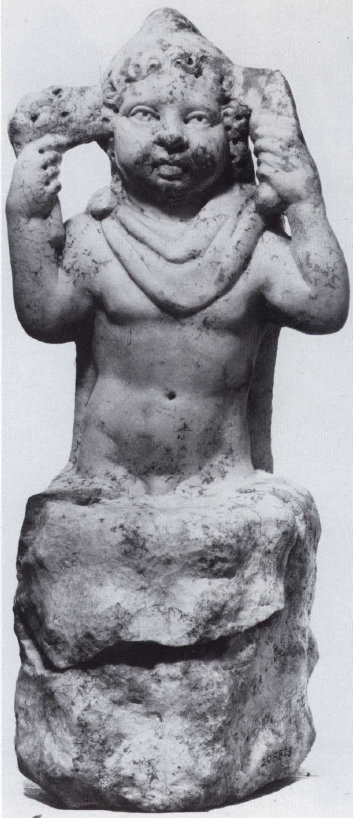
The second statue of Mithras rock-birth was found in the Mitreo di Santo Stefano Rotondo shows a childish Mitras emerging from the rock.

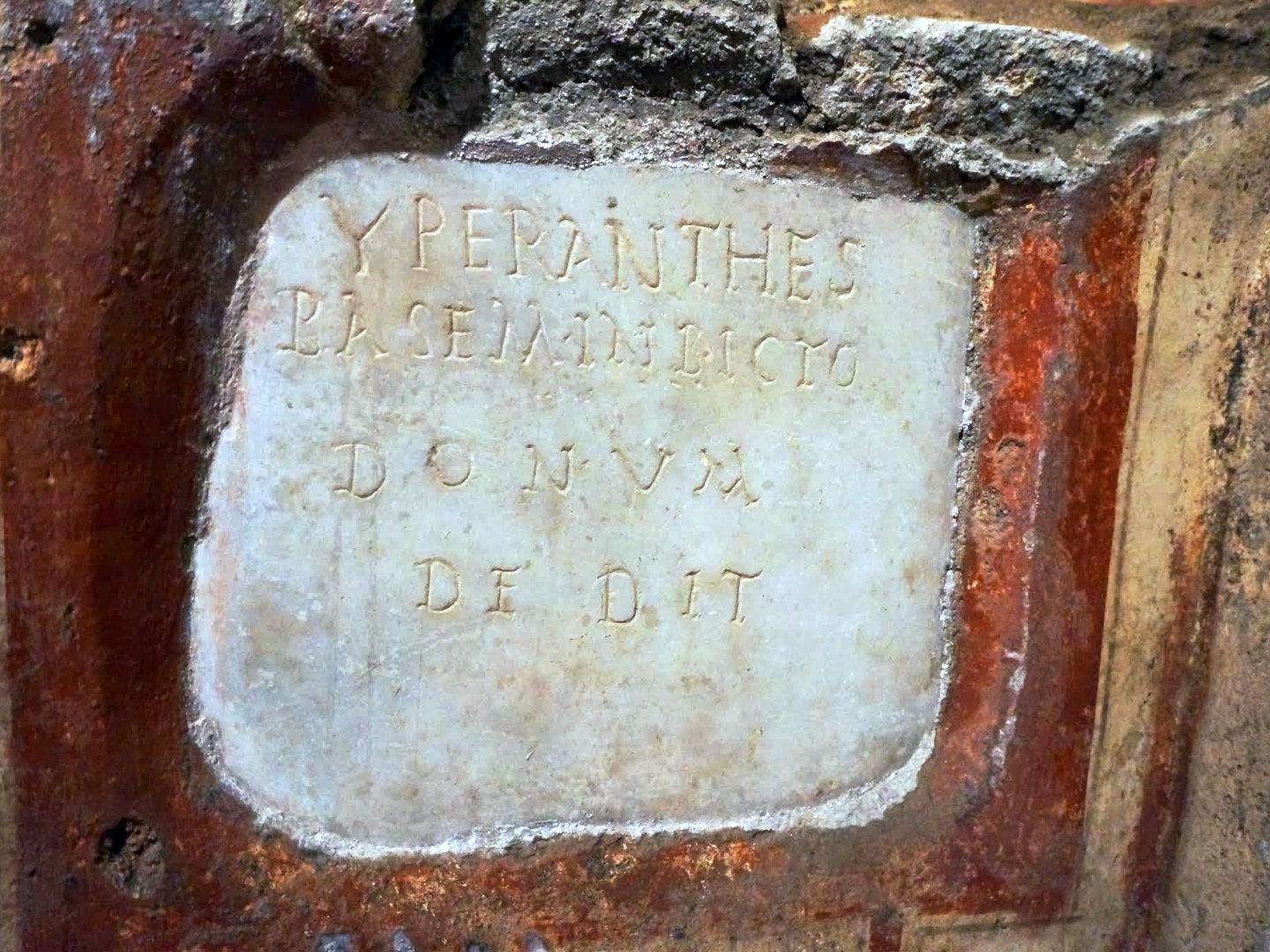
The inscription mentions the name of the donor, Yperanthes, of Persian origin.
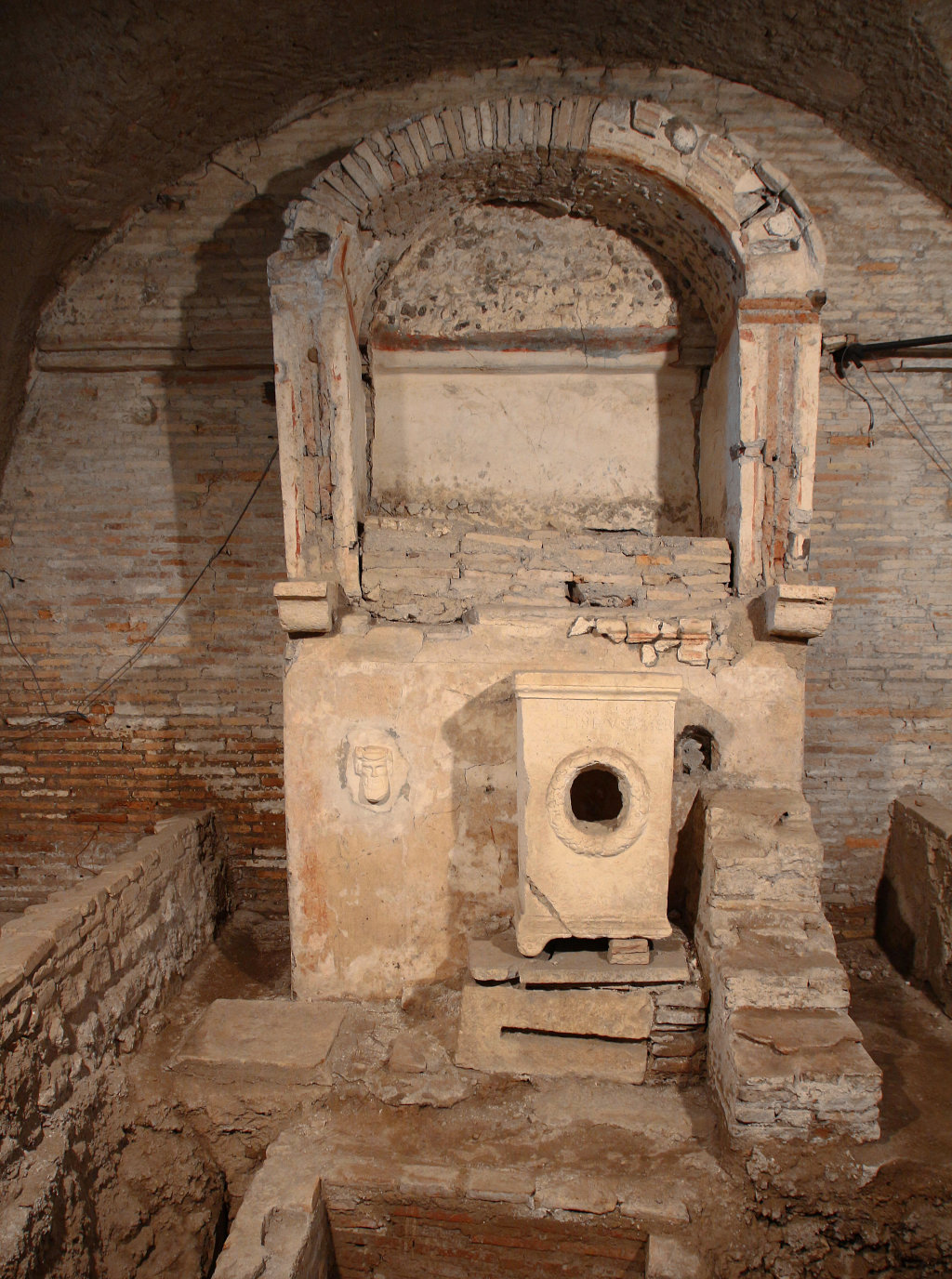
This altar was originally consecrated to Hercules and was rededicated to Mithras by Callinicus in the Mithraeum of the House of Diana.
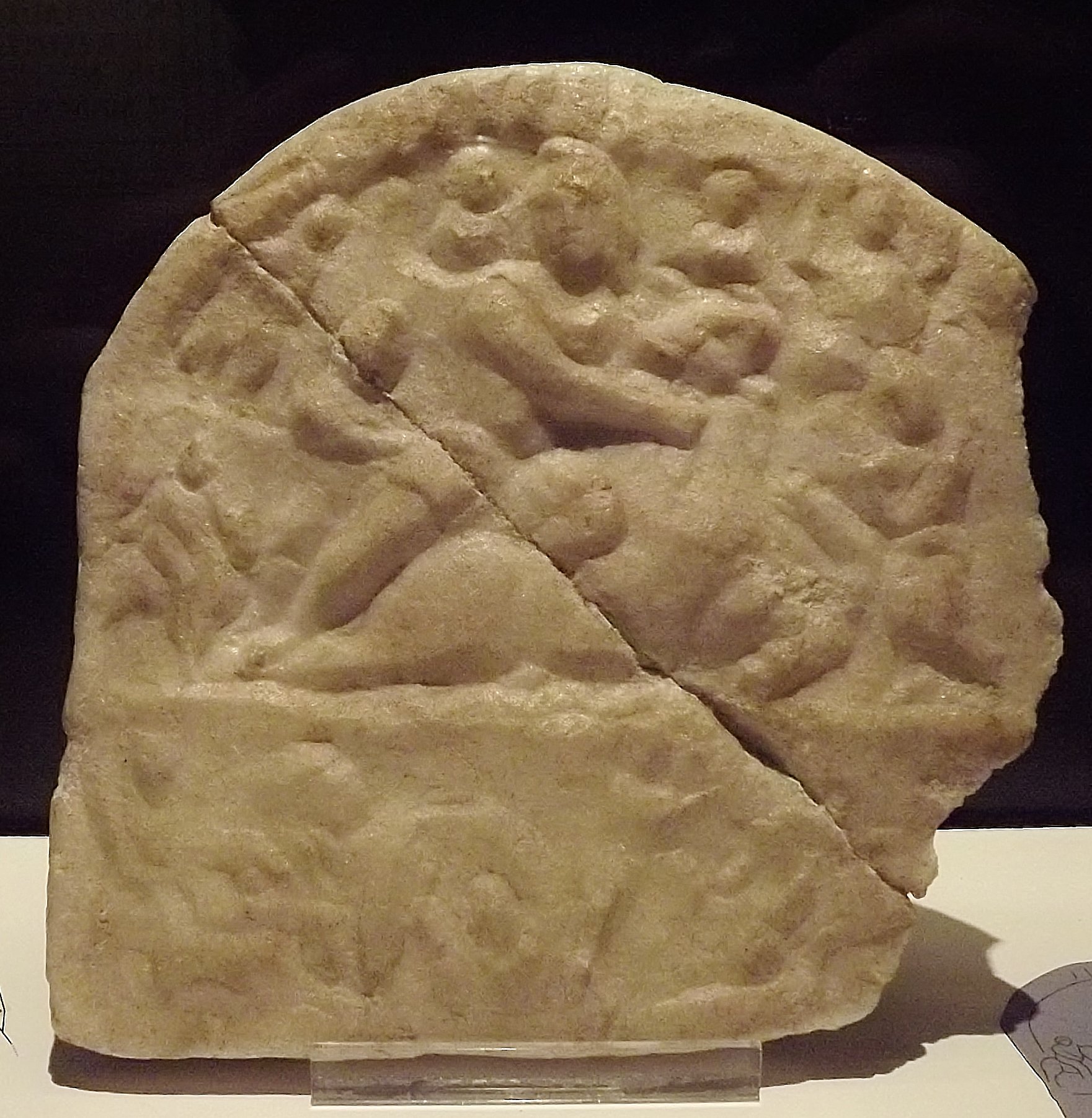
This small white marble relief of Mithras as a bullkiller was found in the Botanical Gardens of Vienna in 1950.
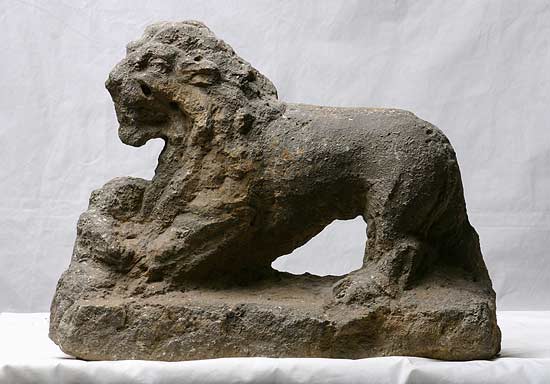
Marble statue from Intercisa representing a lion holding an indistinct animal beneath its forepaws. Found in a vineyard, the piece is now in the Hungarian National Museum.

This inscription mentions a Pater for the first known time.
