Mithraeum of Dura Europos
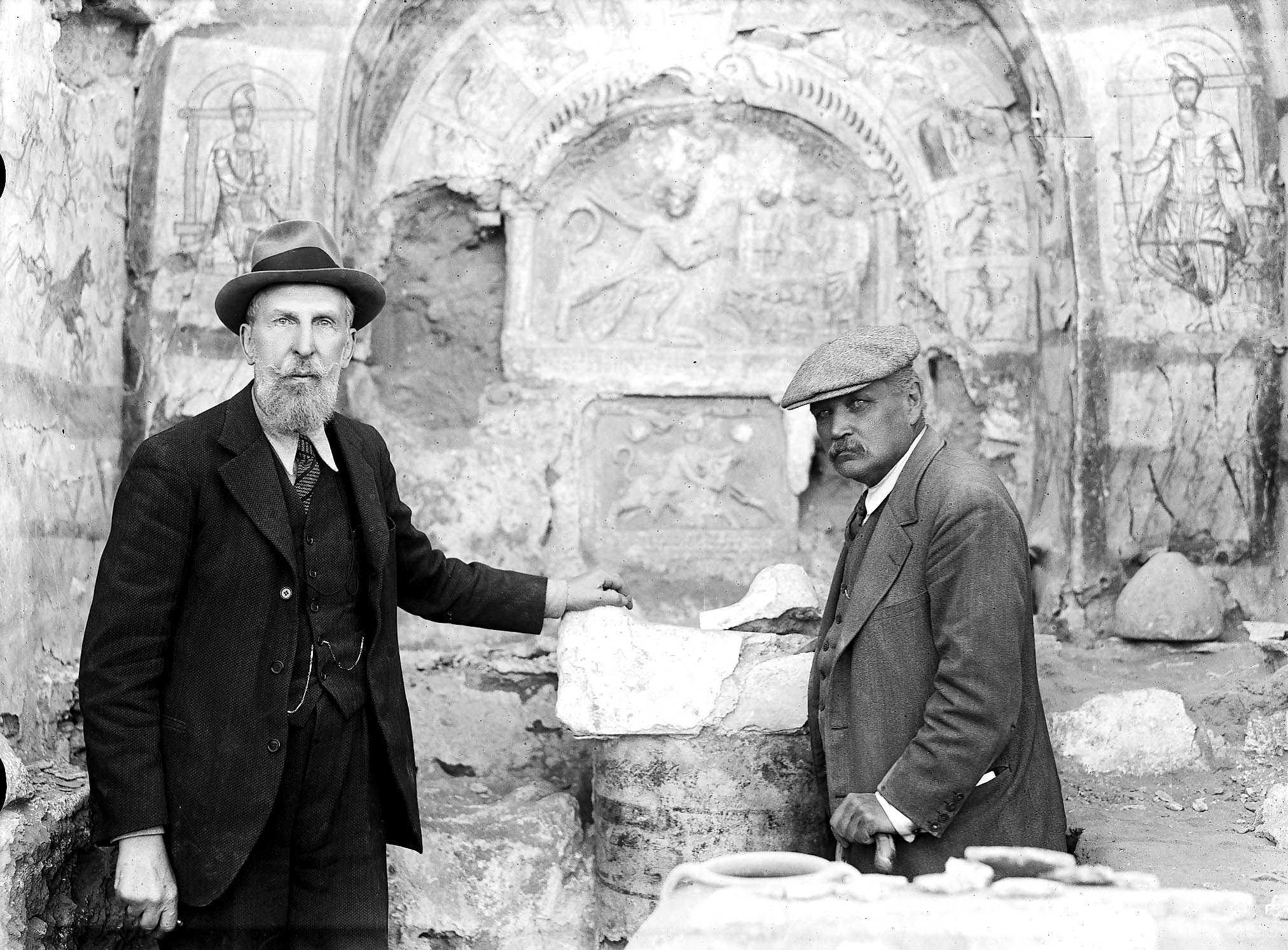
Franz Cumont poses in front of the main altar at the Mithraeum of Dura Europos
Yale University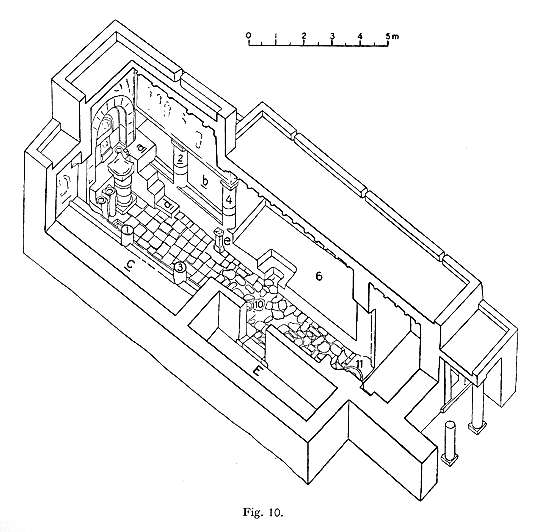
Plano de la primera reconstrucción del Mitreo de Dura-Europos, a partir del 210 d.C.
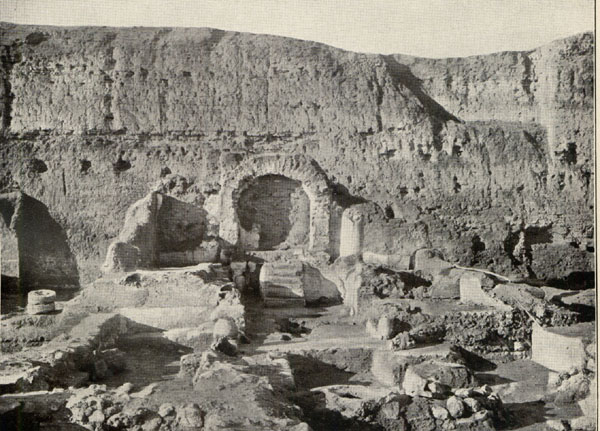
Vista general del emplazamiento del Mitreo de Dura Europos
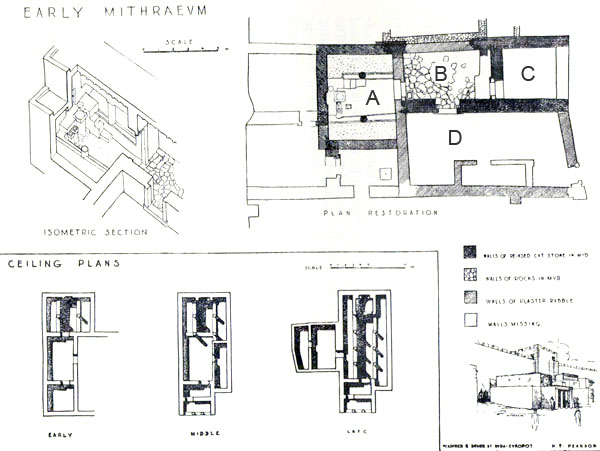
Plano del primer Mitreo de Dura-Europos (168 d.C.). El santuario estaba limitado a la zona A.
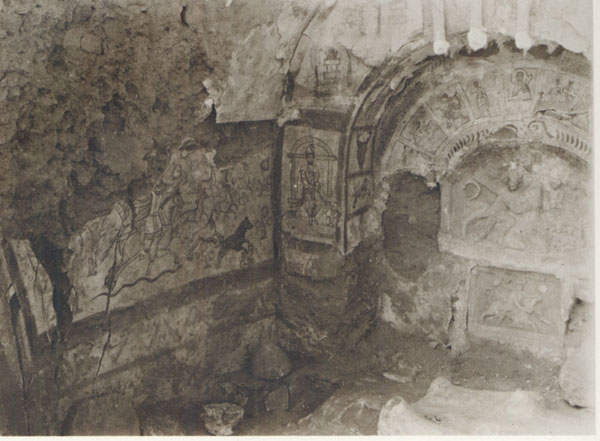
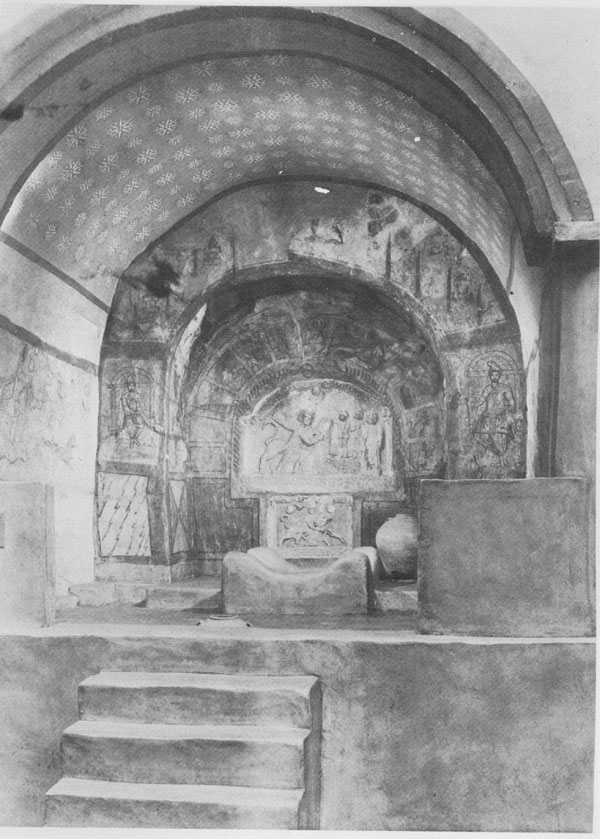
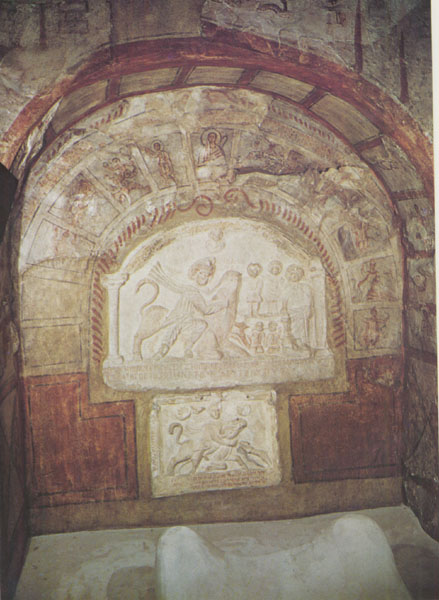

CIMRM 34
Vermaseren's Corpus
CIMRM 34-2
Vermaseren's Corpus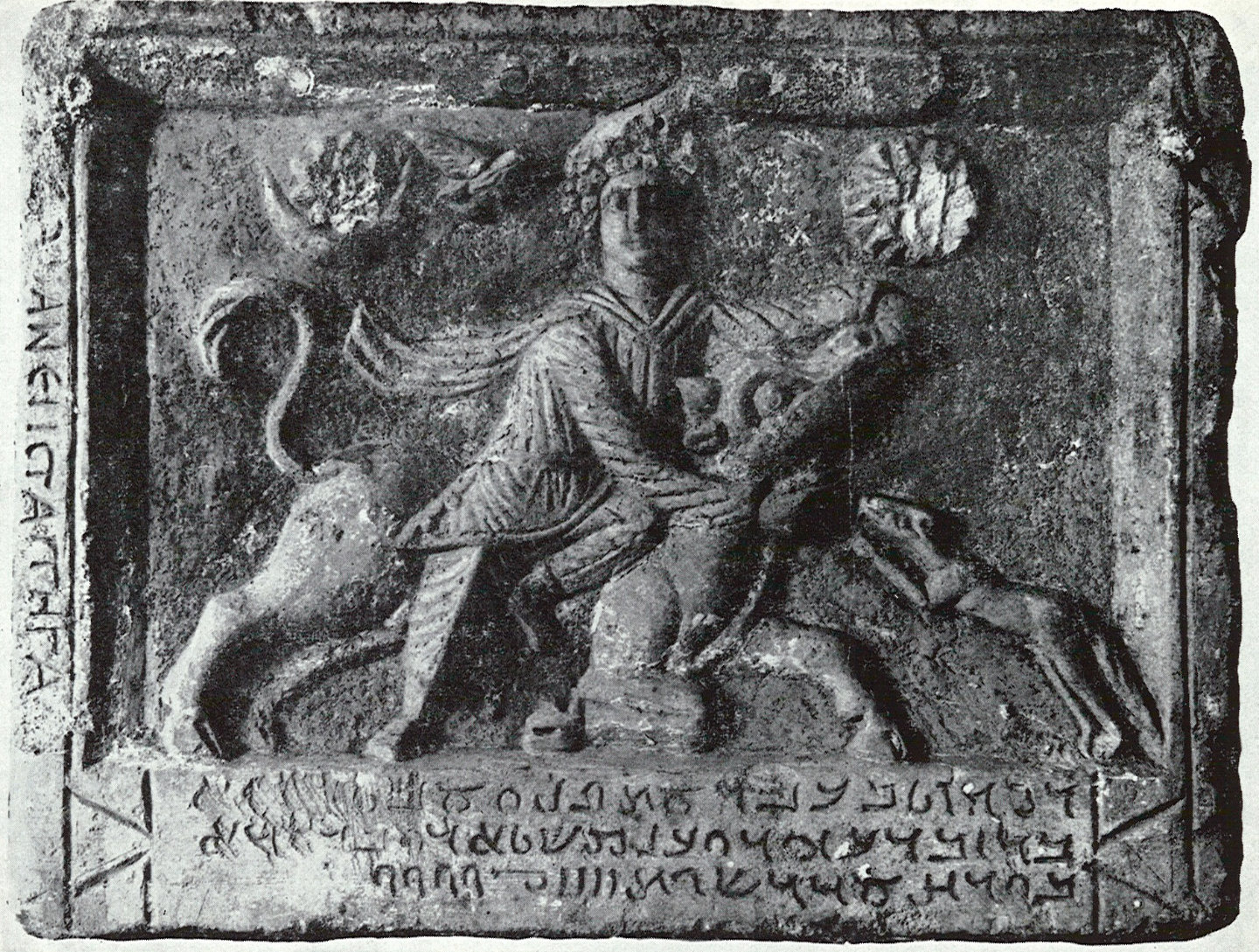
First tauroctony from Dura Europos
CIMRM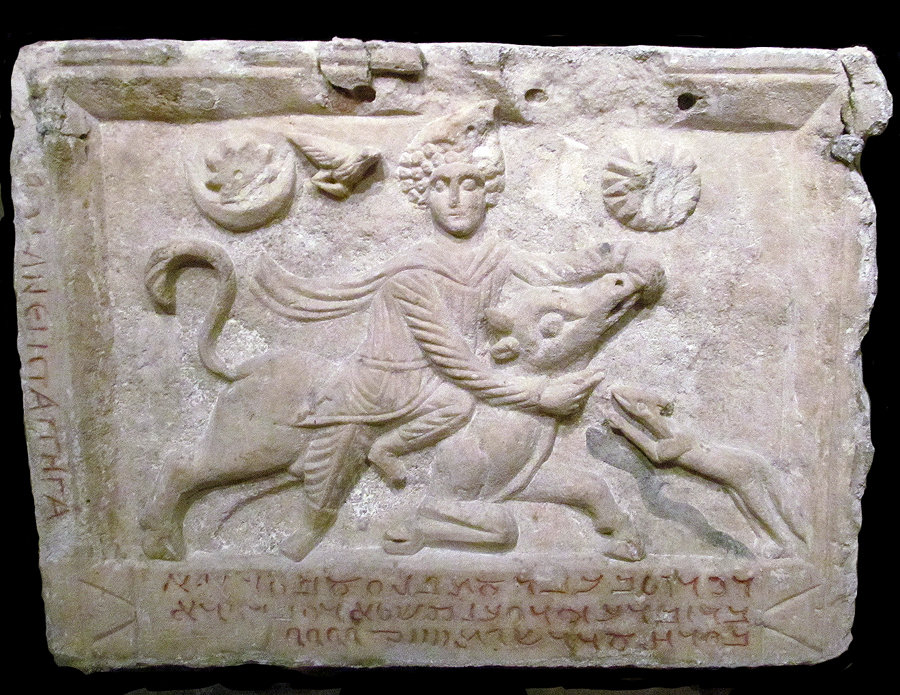
First tauroctony from Dura Europos
CIMRM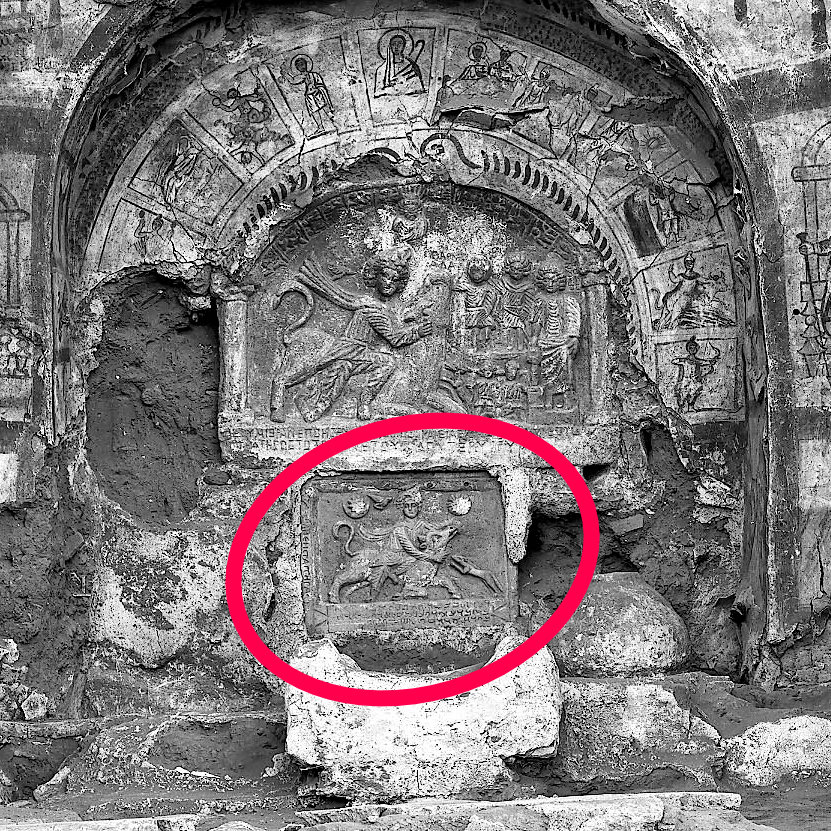
First tauroctony from Dura Europos
CIMRM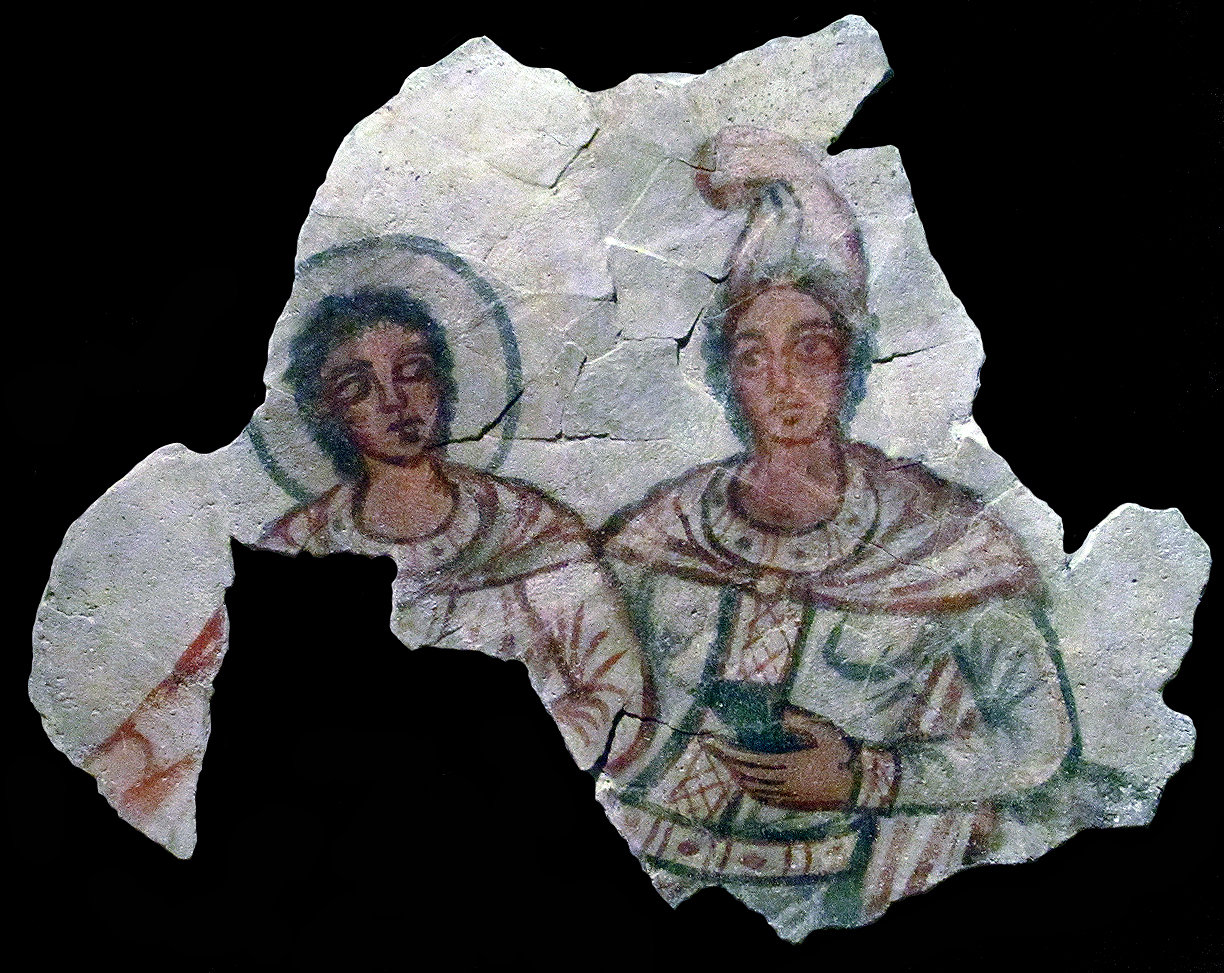
Sol and Mithras sharing a meal, Dura Europos
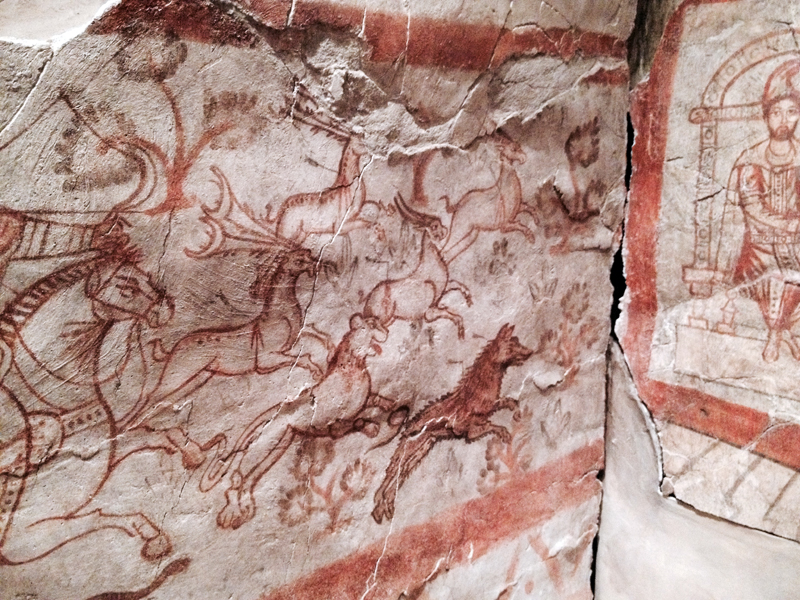
Detail of fresco Mithras Hunting from Dura Europos
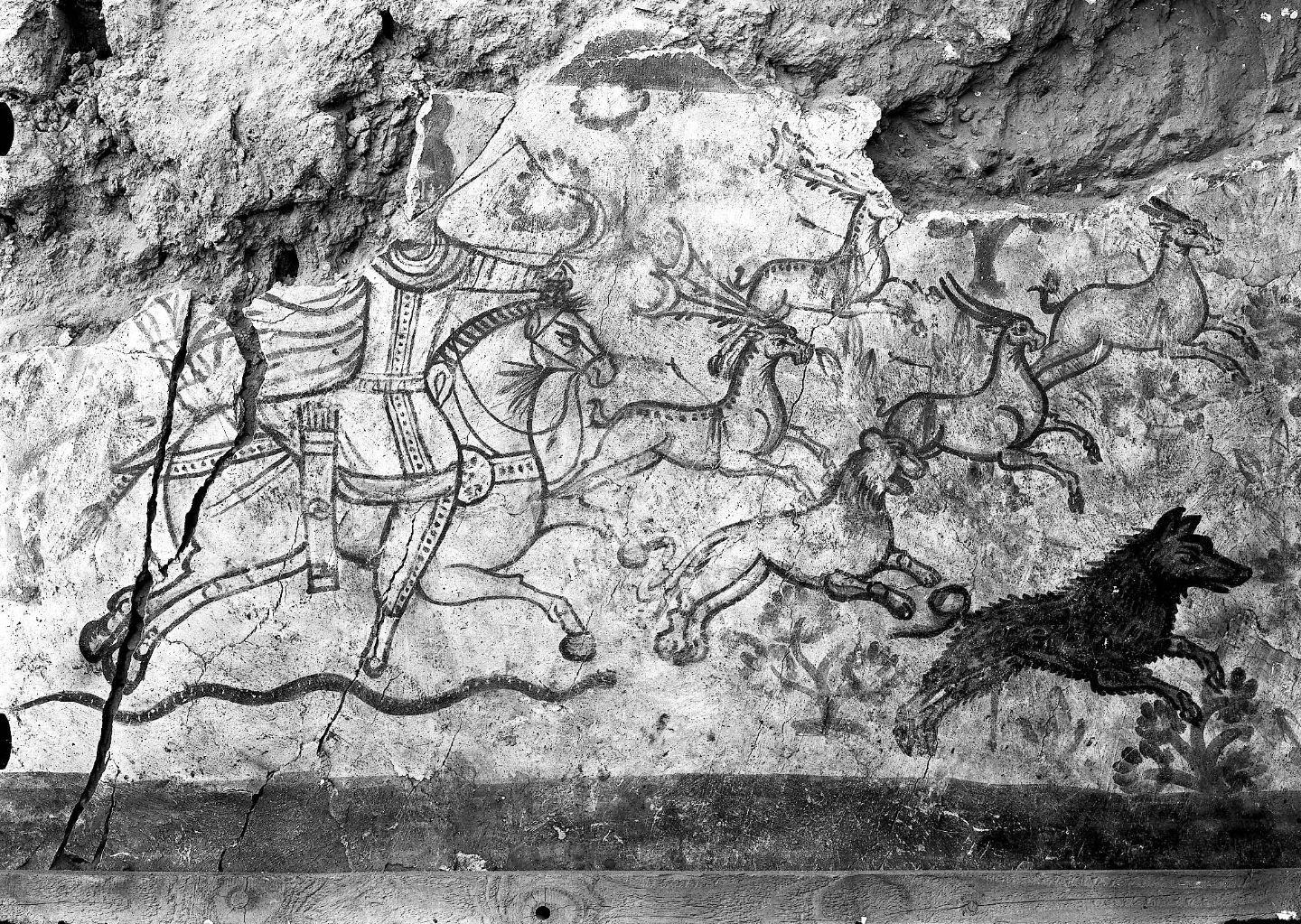
Detail of fresco Mithras Hunting from Dura Europos
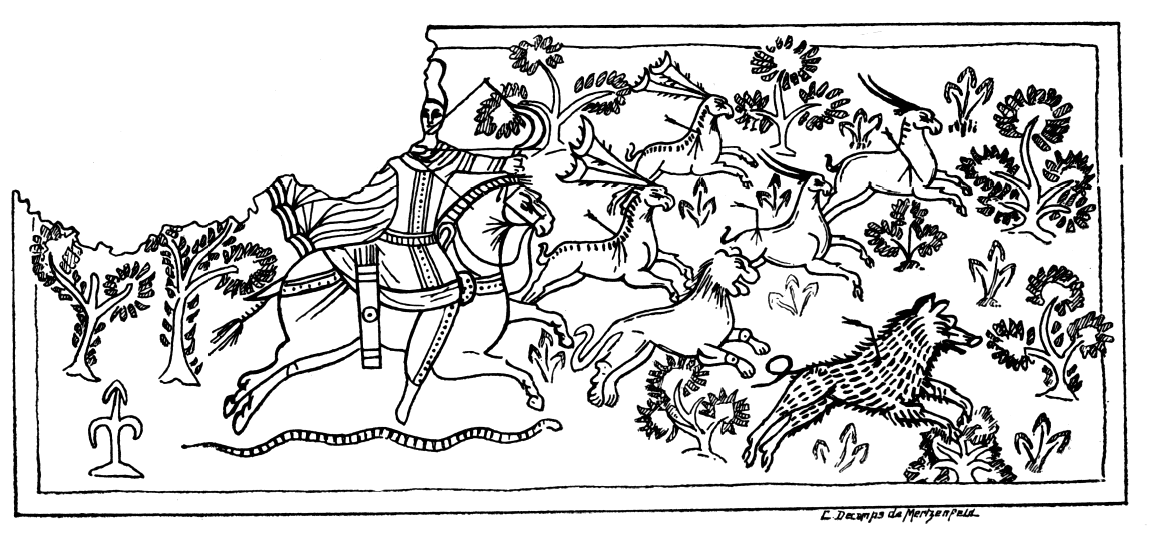
Fresque du Mithraeum de Dura Europos. La chasse de Mithra à cheval.
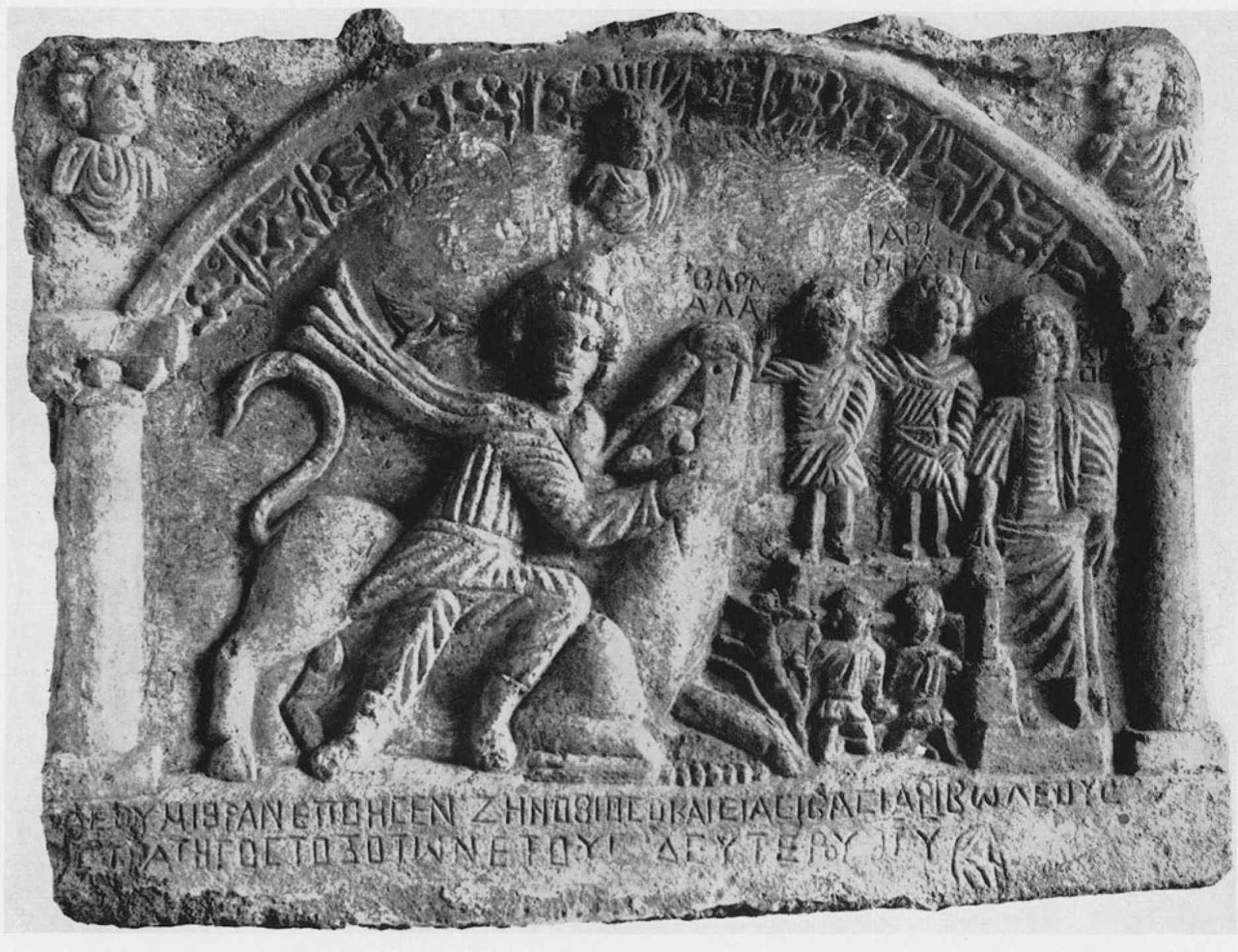
One of the tauroctony reliefs from Dura Europos
CIMRM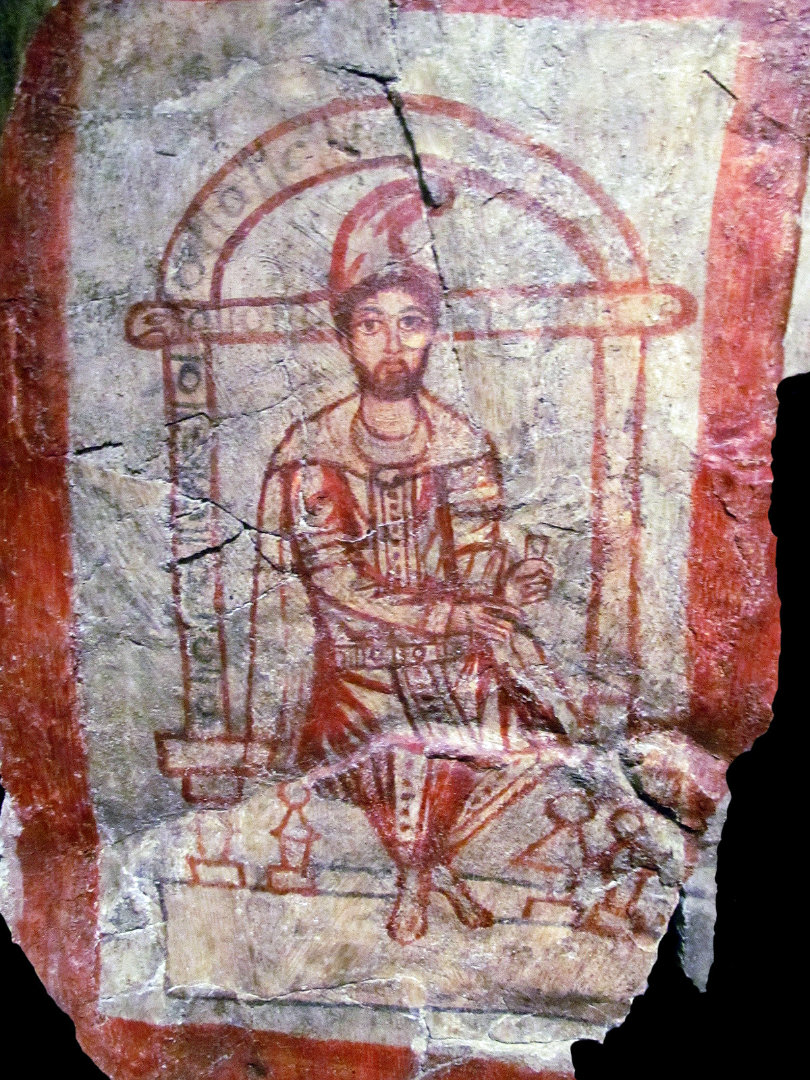
Left 'Magi' from Dura Europos
Clark Hopkins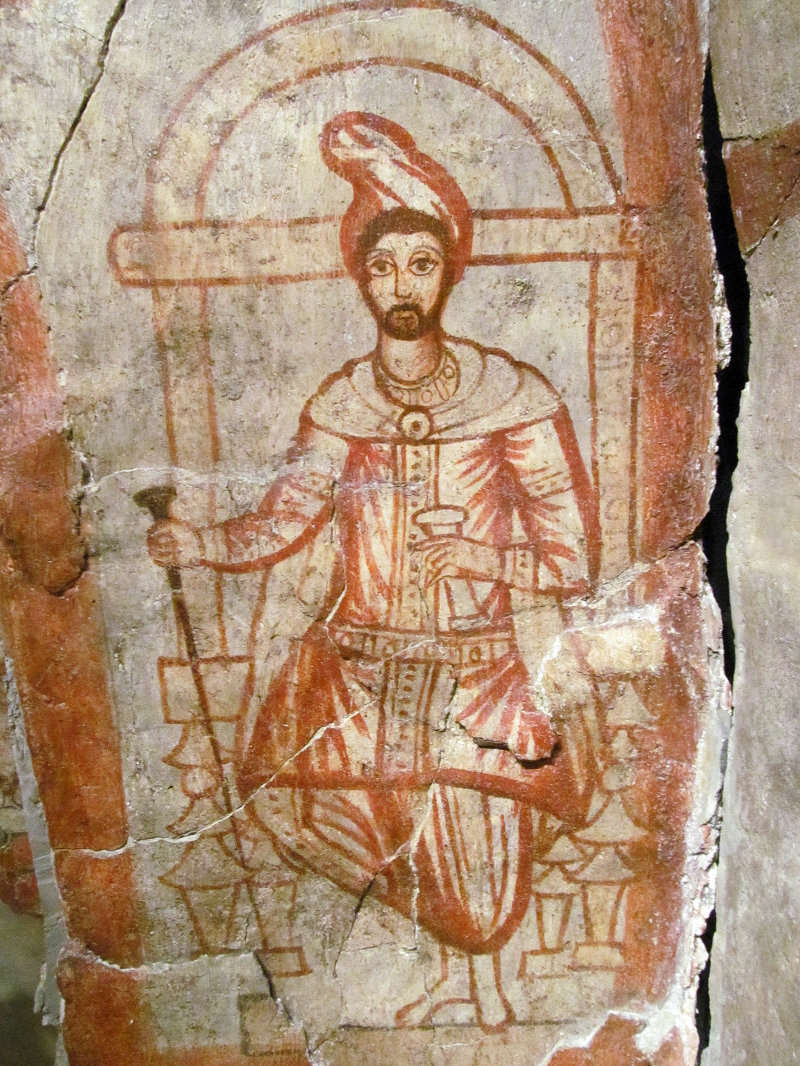
Right 'Magi' from Dura Europos
Clark Hopkins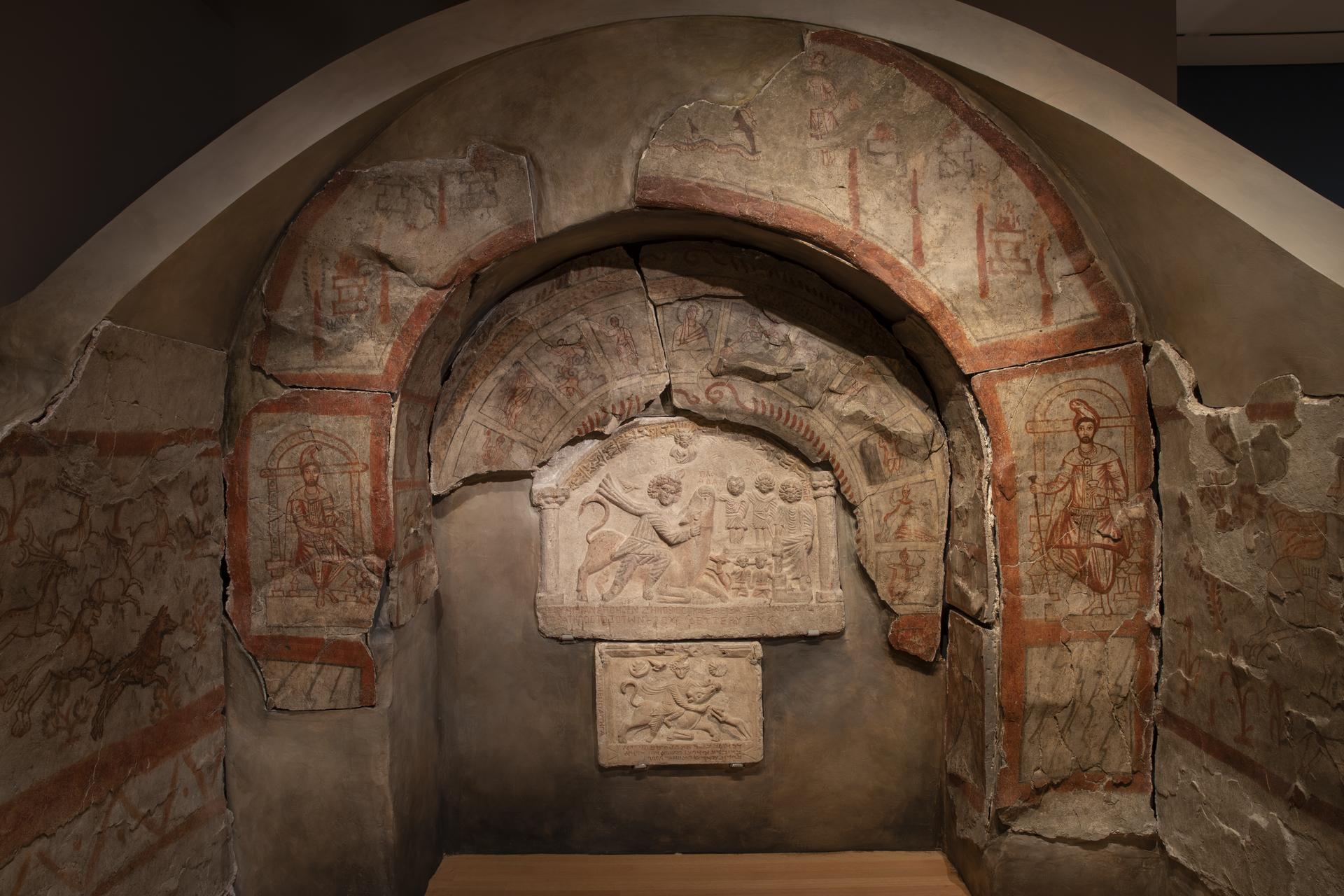
Fresco on top of the main altar of Dura Europos.
Yale University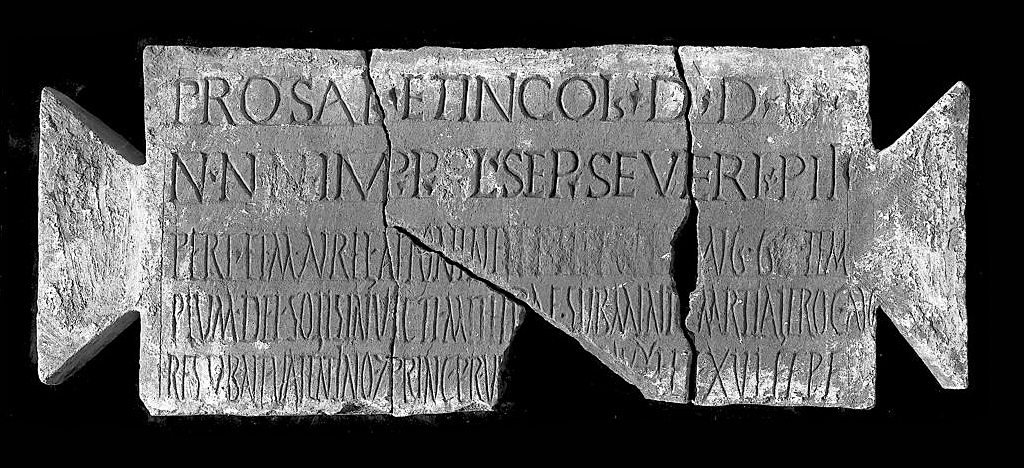
Inscription from Dura Europos Mithraeum
Dr. Michael J. Fuller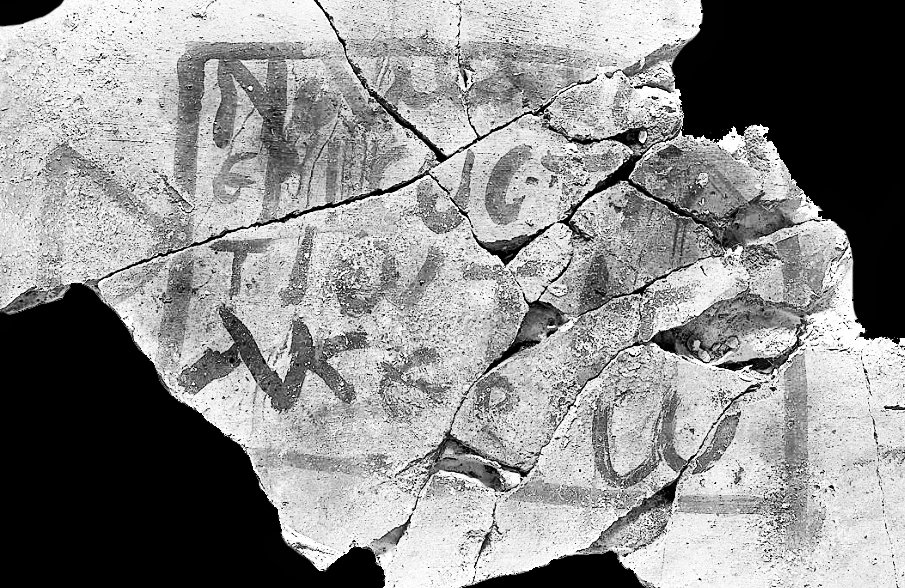
Graffiti of Kamerios in Dura Europos
Yale University Press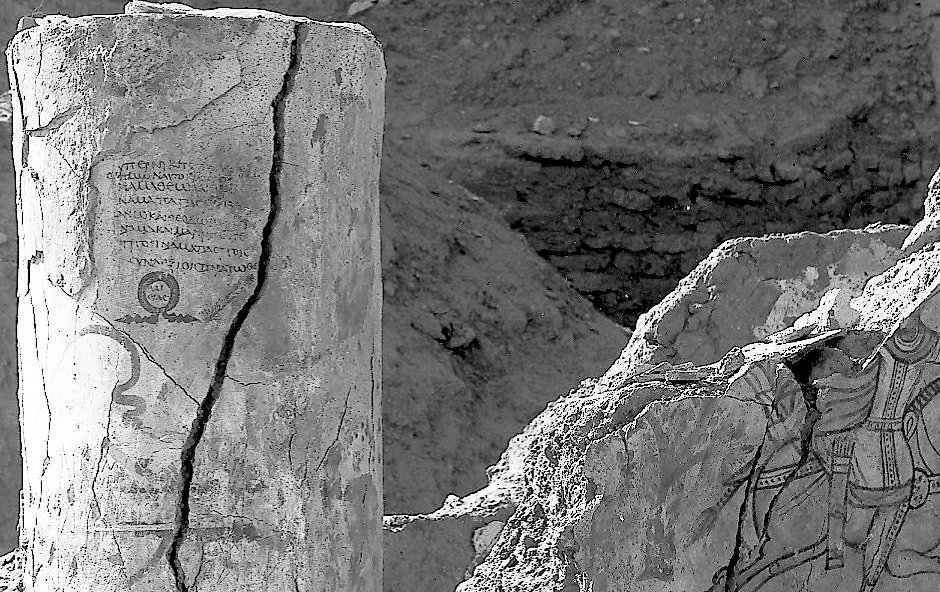
Column with inscription Dura Europos
Yale University Press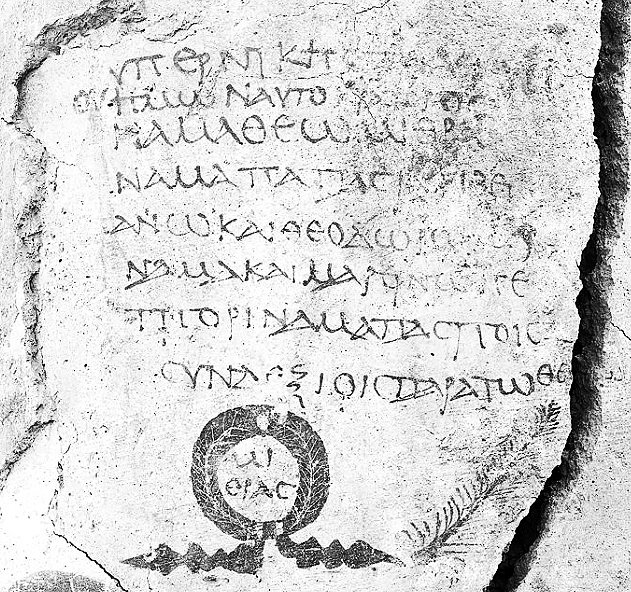
Inscription in column at Dura Europos
Yale University Press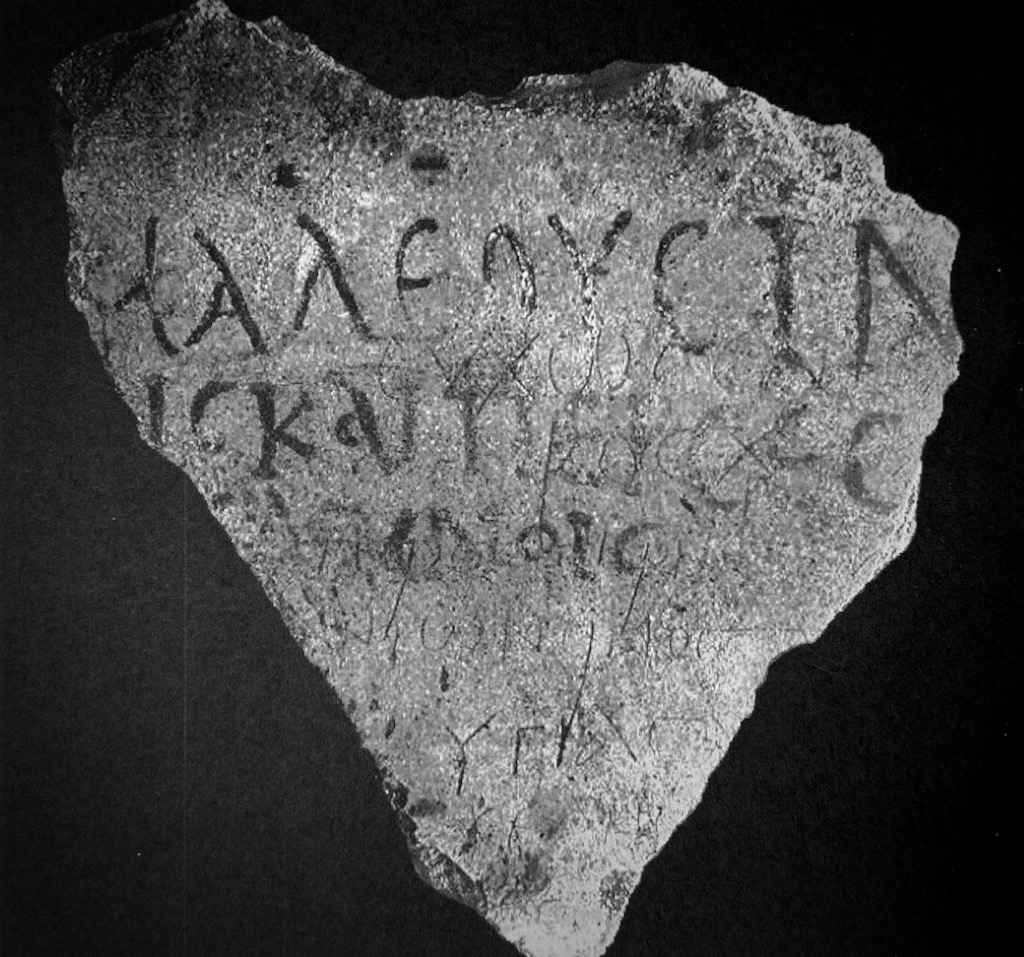
Dipinto to the Lions and Perses from Dura Europos
Yale University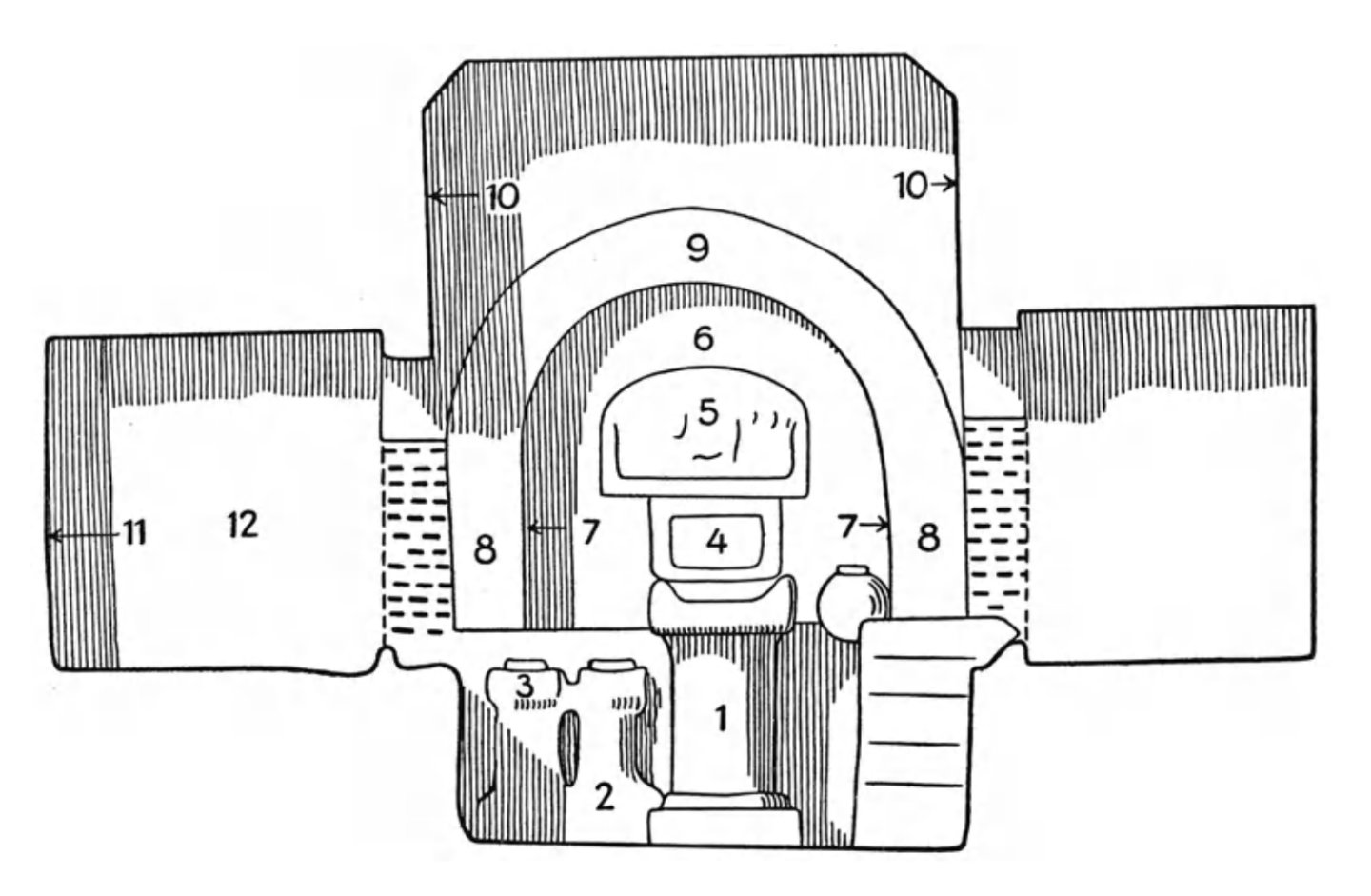
Layout of the main altar of Dura Europos
CIMRM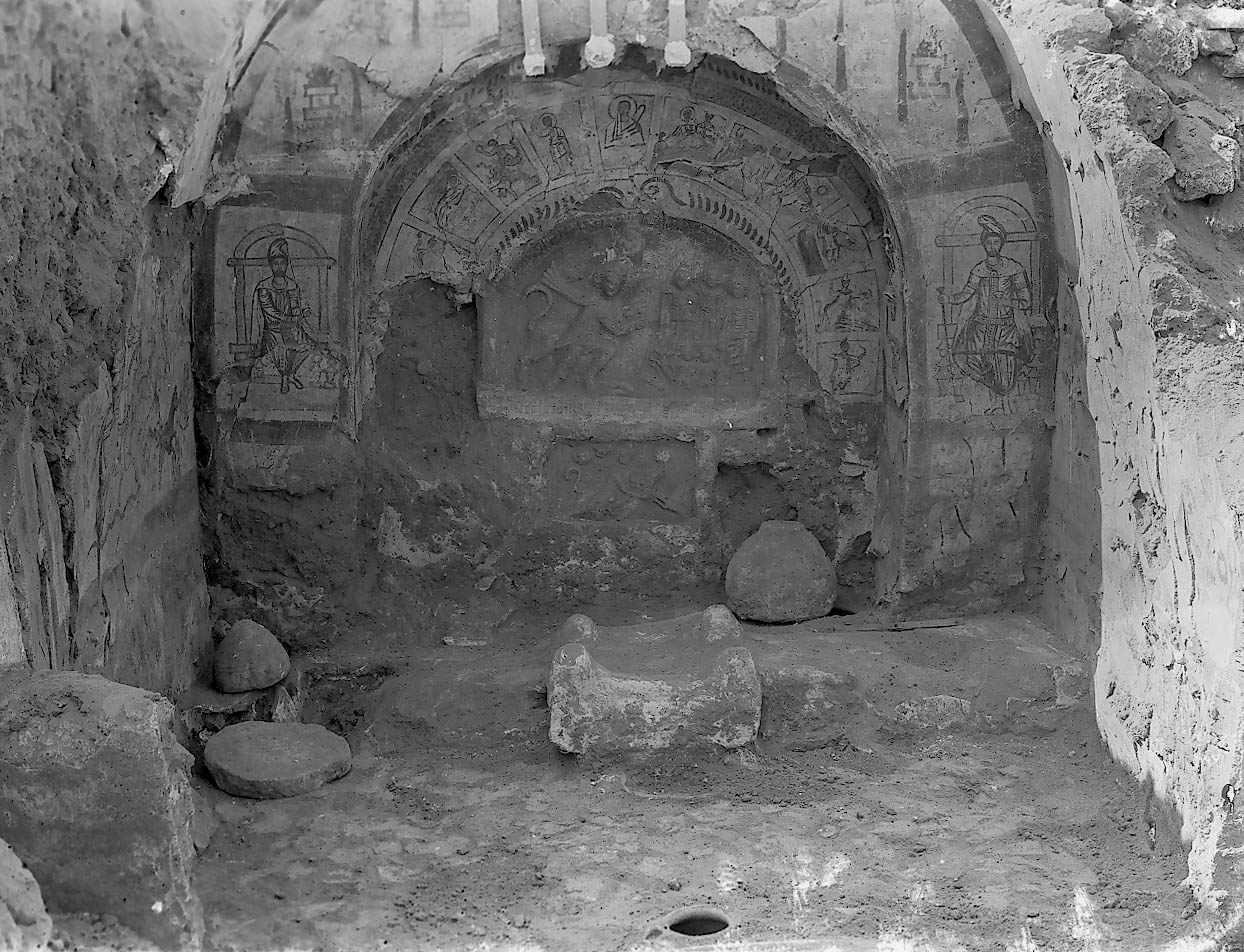
View of the main altar of Dura Europos
Michael J. Fuller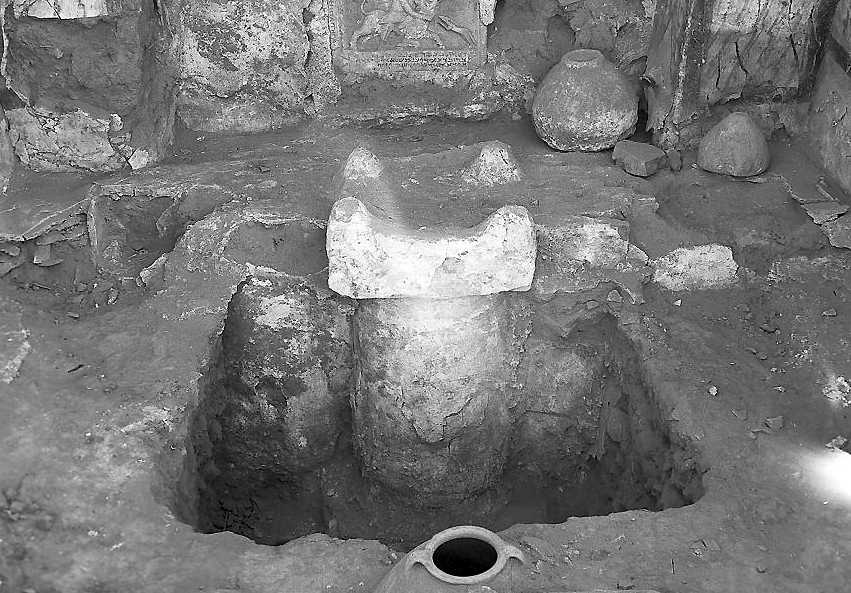
View of the main altar of Dura Europos
Michael J. Fuller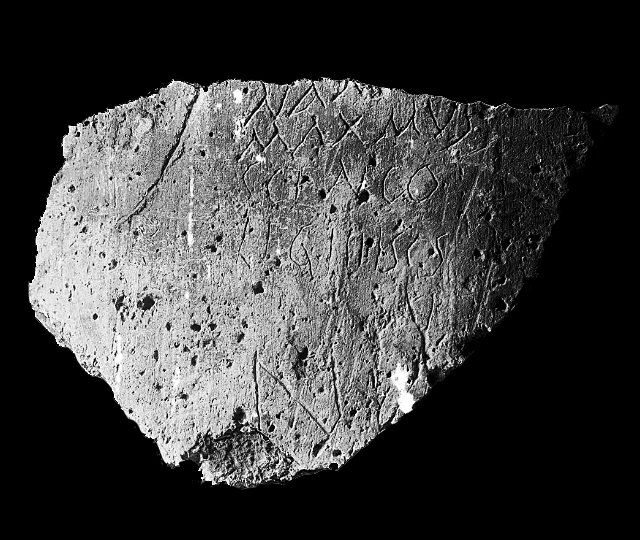
Engraved column by Maximus of Dura Europos
The New Mithraeum / @laurent.bricault (CC BY-SA)
Saturnus from Dura Europos.
CIMRM
Jupiter and giants from Dura Europos
CIMRM
Saturnus from Dura Europos.
CIMRM
Banquet scene, and Cautes and Cautopates from Dura Europos.
CIMRM
CIMRM

Frescos around the main niche of Dura Europos mithraeum.
CIMRM


TNMM 34 ↔ CIMRM 34
In February 1934 a Mithraeum was discovered on the N.W. side inside the rampart of Dura-Europos (Es-Sâlihiyeh) between gate 24 and 23. After the excavations it was transported to New Haven, Gallery of Fine Arts of Yale University.
’When the Mithraeum was founded in about 168 A.D. (see inscr. No. 39) it consisted of three apartments. Room A (L. 4.65 Br. 5.80), the Mithras shrine, was entered by an axial door through a partition separating it from a central chamber B (L. 5.75 Br. 3.50), originally a house diwan, that opened into a courtyard D to the south, and a small chamber C. (L. 3.50 Br. 3.50) to the east’.
The mithraeum of Dura-Europos. New discoveries about an old excavation
L. Dirven, Universiteit van Amsterdam
A was divided into three parts: a paved passage with on either side the benches band c (H. 0.72 Br. 1.70), in which the columns 1 and 2 had been built to support the ceiling, which was approximately 1.65 high over their benches, but about 1.60 higher over the central aisle.
Via the stairs d a rectangular, raised platform a (H. 0.88), in which a round well 9 (diam. 0.32). In front of a stood the main altar with two smaller side-altars, whereas against the backwall two reliefs had been fixed (see infra).
About 210 A.D. (see inscr. No. 53) a first rebuilding took place, because in the general destruction of the quarter the early Mithraeum was also destroyed. The entire sanctuary was enlarged considerably. ’The new alterations consisted of adding an antechamber B to the Mithras shrine by taking out the dividing partition and adding two more columns 3 and 4 on the foundations of that wall (L. 10.90); of building a small room E (L. 5.60 Br. 1.65) on the south and a low bench on the north of this new addition (H. 0.40 Br. 1.70); of turning the east chamber C into a vestibule and porch; of constructing an arched niche back of the altar; and of redecorating the entire chamber’.
Opposite a rectangular recess (L. 1.25 Br. 0.75) in the new podium, there was a basin 10 in the middle of the paved floor (Diam. 0.32) another basin 11 was situated in the former room C. Underneath the columns 3 and 4 two altars e and t were placed.
Finally in ca 240 A.D. a second reconstruction took place, which resulted in the definitive shape of the sanctuary (see fig. 11). ’It is probable that the roof was removed and altered for the construction of the new vaulted spelaeum and the additional columns (5, 6, 7, 8). In the Late Mithraeum, the chamber of the south E was entirely removed and in its place was built a bench, probably low; the low bench on the north side was heightened to the level of the upper benches; two more columns were added to either side, making the chamber more symmetrical; two chambers F (L. 3.25 Br. 6.00) and G (L. 2.50 Br. 6.00) to the north of the building, the earlier history of which is obscure, were joined to the Mithraeum, a narrow passageway being cut through the benches leading to a newly pierced doorway. For the new altar-tabie the aisle between the benches was filled up to the bench level as far as the first pair (I, 2) of colnms and a stair of seven steps was built against the face of this platform. Between the first pair of columns and the wall were built partitions that supported a vault covering the new raised platform’ .
When the walls behind the Mithraeum had to be strengthened against the impendency of the Persians under Sapor, the sanctuary got buried under the sand at the capture of the fortification in 256 A.D.
References
Rostovtzeff in RM 491934 180ff; cf. BCR 1934 (Not.) 121f; AJA XXXIX 1935 4f; 147; 259f and 293ff; Mouterde in MUSJ XIX 1935 123f; Dussaud in Syria XVI 1935 313ff; Cumont in CRAI 1934 90ff; Hopkins in ILN 8 Dec. 1934 963ff; du Mesnil du Buisson in GBA 1935 1ff; CRAI 1935 275ff; Watzinger in die Welt als Geschichte II 1936 397ff; Rostovtzeff e.o. Report 62ff; cf. P. Koschaker in OLZ 1941 271ff; Merlin in JS 1940 36ff. Professor C. B. Welles informs me of the fact that a final report is in preparation.
